




Residential Pickleball Courts: Design, Budget, & Build Process
So, you’ve been bitten by the pickleball bug—and you’re not alone. Across the country, residential pickleball courts are becoming one of the most requested backyard upgrades for homeowners who want year-round recreation, family fun, and long-term property value. Still, the big questions remain: How much space do you really need? What does it cost? And where do you even start?
The good news is that building a home pickleball court doesn’t have to feel overwhelming. With the right planning, realistic budgeting, and informed design decisions, this project is absolutely achievable. This guide walks you through the entire process—from evaluating your yard and understanding costs to selecting surfaces and preparing for construction—so you can build it right the first time.
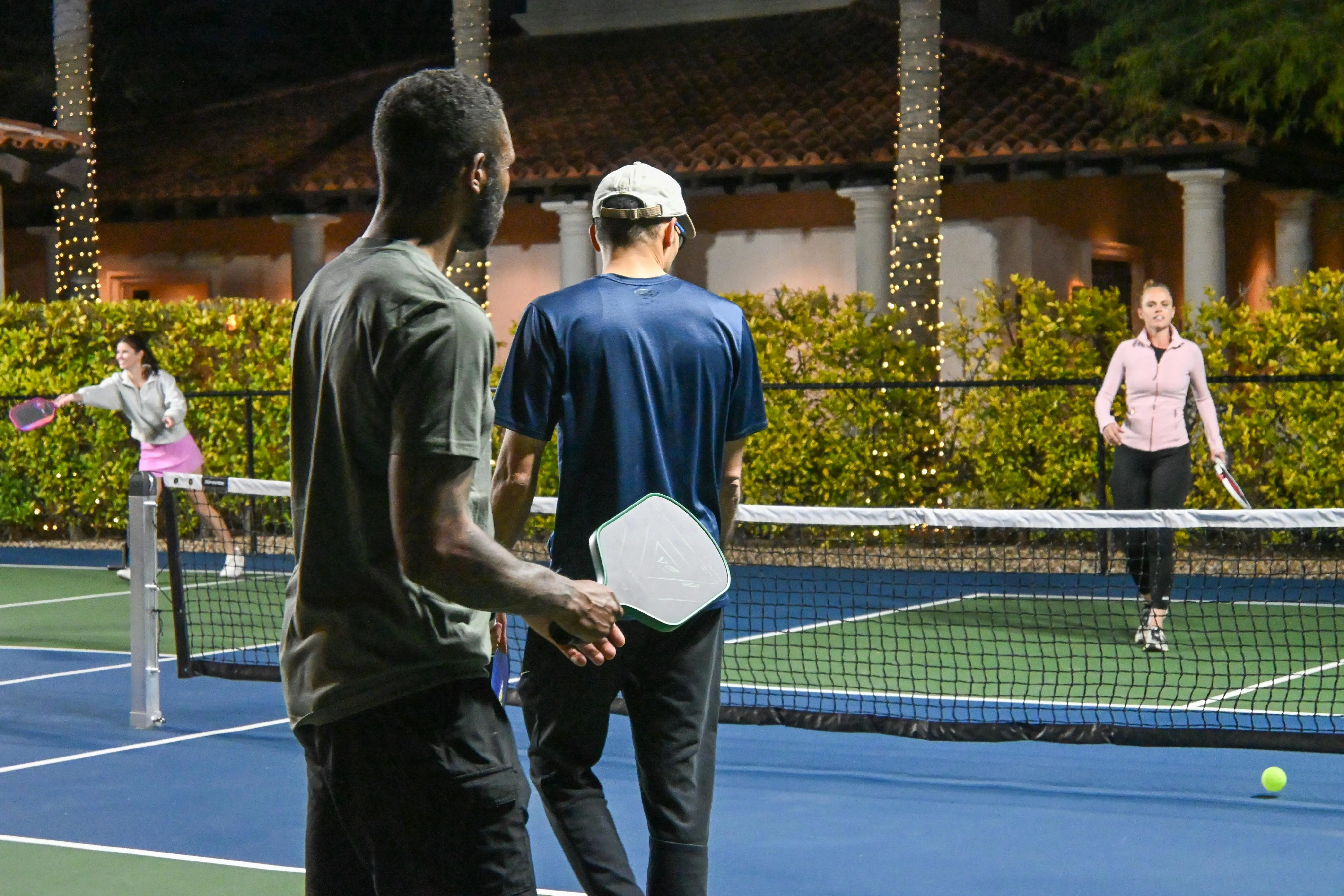
Planning Residential Pickleball Courts: Space, Layout, and Yard Feasibility
Before choosing colors or nets, the most important step is determining whether your property can physically support a court. Proper planning at this stage prevents costly redesigns later.
Residential Pickleball Courts Space Requirements Explained
A regulation pickleball court has a fixed playing area of 20 feet wide by 44 feet long. This dimension never changes, whether you’re hosting competitive games or casual family matches.
However, safe and enjoyable play requires additional clearance around the court. This “run-off area” allows players to move freely without risk of injury or constant interruptions.
Recommended dimensions for residential pickleball courts:
Playing lines: 20’ x 44’
Total recommended footprint: 34’ x 64’
For homeowners with smaller yards, a reduced footprint of 30’ x 60’ can still work well for recreational play. While tighter, it remains functional and is a common compromise in residential settings.
Residential Pickleball Courts Orientation Best Practices
Orientation matters more than most homeowners expect. To minimize glare and improve visibility, courts should ideally run north–south. This alignment prevents players from staring directly into the sun during morning or evening play.
This guideline aligns with recommendations from USA Pickleball, the sport’s national governing body, and is widely adopted by professional installers.
Residential Pickleball Courts Noise & Neighbor Considerations
Pickleball is fun—but it’s not silent. The sharp “pop” of the ball can carry, especially in dense neighborhoods. Fortunately, there are effective ways to reduce noise without sacrificing play quality:
Strategic landscaping (hedges, trees, fencing)
Acoustic fencing panels
“Quiet” pickleballs designed for residential use
Reasonable playing hours
Experienced installers like Ace Coatings Utah often advise homeowners on layout and surface options that help reduce sound reflection while maintaining excellent playability.
Residential Pickleball Courts Cost Breakdown: What Homeowners Should Expect
One of the most common questions is cost—and the answer depends entirely on how the court is built.
Residential Pickleball Courts DIY vs Professional Installation Costs
Residential pickleball courts generally fall into three budget tiers:
1. DIY Conversion ($300–$2,000)
Ideal if you already have a flat concrete surface like a driveway or patio. Costs typically include a portable net, court tape or paint kit, and basic accessories.
2. Surface Upgrade ($5,000–$15,000)
This option involves professionally resurfacing an existing slab or converting a tennis or sport court into a dedicated pickleball court. Many homeowners choose this route for better play quality without full reconstruction.
3. Turn-Key Installation ($25,000–$50,000+)
A full build from the ground up, including excavation, grading, drainage, base construction, acrylic surfacing, and permanent net systems. Companies like Ace Coatings Utah specialize in these comprehensive installations, ensuring long-term durability and professional performance.
Residential Pickleball Courts Foundation Costs Explained
The largest cost driver is almost always the foundation. A court requires a perfectly flat, stable base to prevent cracking, pooling water, and surface failure.
Key factors that increase foundation costs include:
Sloped terrain
Poor soil conditions
Drainage requirements
New concrete or asphalt installation
A reinforced concrete slab offers maximum longevity, while asphalt can be more affordable upfront but may require more maintenance over time.
Residential Pickleball Courts Surface Options & Performance Considerations
The surface you choose directly affects playability, comfort, and long-term maintenance.
Residential Pickleball Courts Concrete vs Asphalt Surfaces
Concrete: Extremely durable, crack-resistant when reinforced, and ideal for permanent installations
Asphalt: Slightly softer feel and lower initial cost, but more susceptible to wear
Both surfaces are typically finished with acrylic sport coatings, which provide traction, color, and consistent ball bounce.
Residential Pickleball Courts Cushioned & Acrylic Coating Systems
For homeowners focused on comfort and injury prevention, cushioned acrylic systems are a major upgrade. These systems include rubberized layers beneath the acrylic coating, reducing joint impact and fatigue—especially beneficial for frequent players.
Professional installers such as Ace Coatings Utah often recommend cushioned systems for families, aging players, and multi-use courts.
Residential Pickleball Courts Modular Tile Alternatives
Modular sport tiles are a popular alternative for DIYers and court conversions. These interlocking plastic tiles install over existing concrete and offer:
Excellent drainage
Built-in shock absorption
Easy replacement and maintenance
While not as permanent as poured surfaces, modular systems provide flexibility and faster installation.
Your Residential Pickleball Courts Action Plan
With the fundamentals covered, it’s time to move forward. Use this simple checklist to turn your idea into a real project:
Measure & visualize
Mark out a 34’ x 64’ area in your yard to confirm spacing and orientation.Define your budget
Decide whether your project is DIY, a resurfacing upgrade, or a full professional build.Research local requirements
Check zoning rules, HOA guidelines, and permitting needs.Consult professionals
Reach out to experienced installers to discuss site conditions, surface options, and realistic timelines.
A well-planned pickleball court isn’t just a recreational feature—it’s an investment in health, entertainment, and home value that pays off for years.
Ready to Get Started?
If you’re considering a professional installation or resurfacing, working with specialists makes all the difference in performance and longevity.

Contact us at Ace Coatings Utah to discuss your residential pickleball court project, request a consultation, or get a customized estimate tailored to your property and budget.