



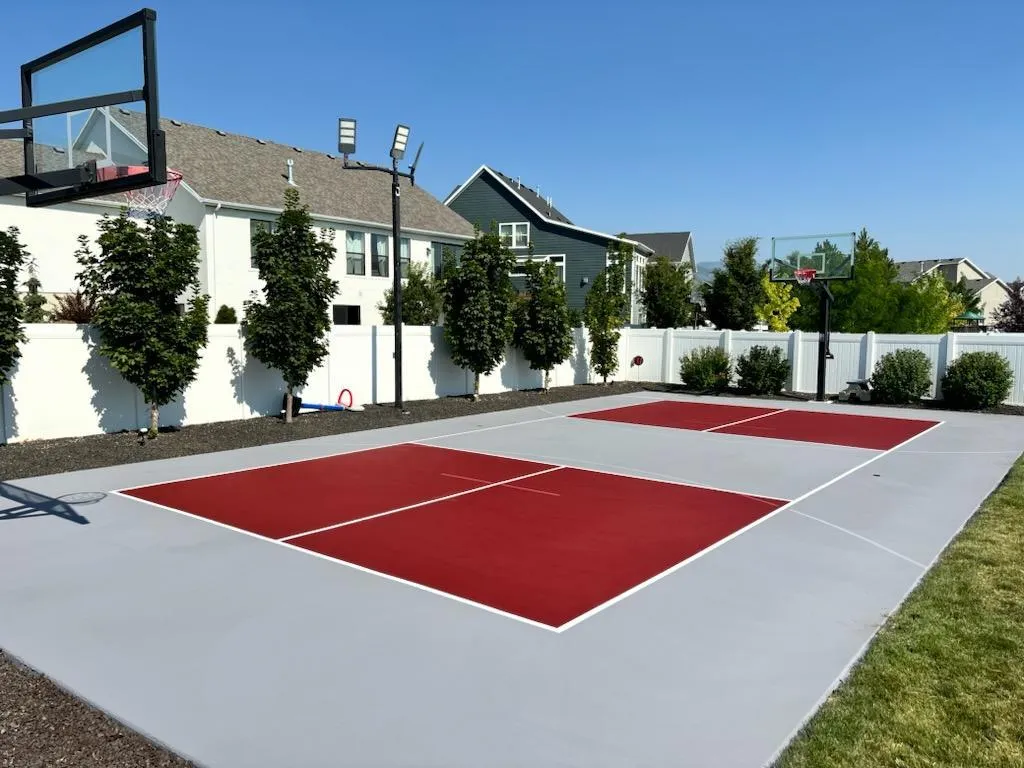
Residential Pickleball Court Builder Utah Guide
There’s something uniquely rewarding about stepping into your own backyard for a match instead of competing for space at a public court. For many homeowners, working with a Residential Pickleball Court Builder in Utah turns that vision into a long-term lifestyle upgrade. However, Utah’s demanding climate—especially its freeze-thaw cycles—means this isn’t a simple concrete project. Without proper engineering, even a well-built court can deteriorate prematurely.
Think of it less like pouring a driveway and more like constructing a high-performance surface system. Every layer—from sub-base to coating—plays a critical role in durability, playability, and return on investment. Professionals at Ace Coatings Utah often emphasize that the difference between a lasting court and a failing one lies in decisions made before construction even begins.
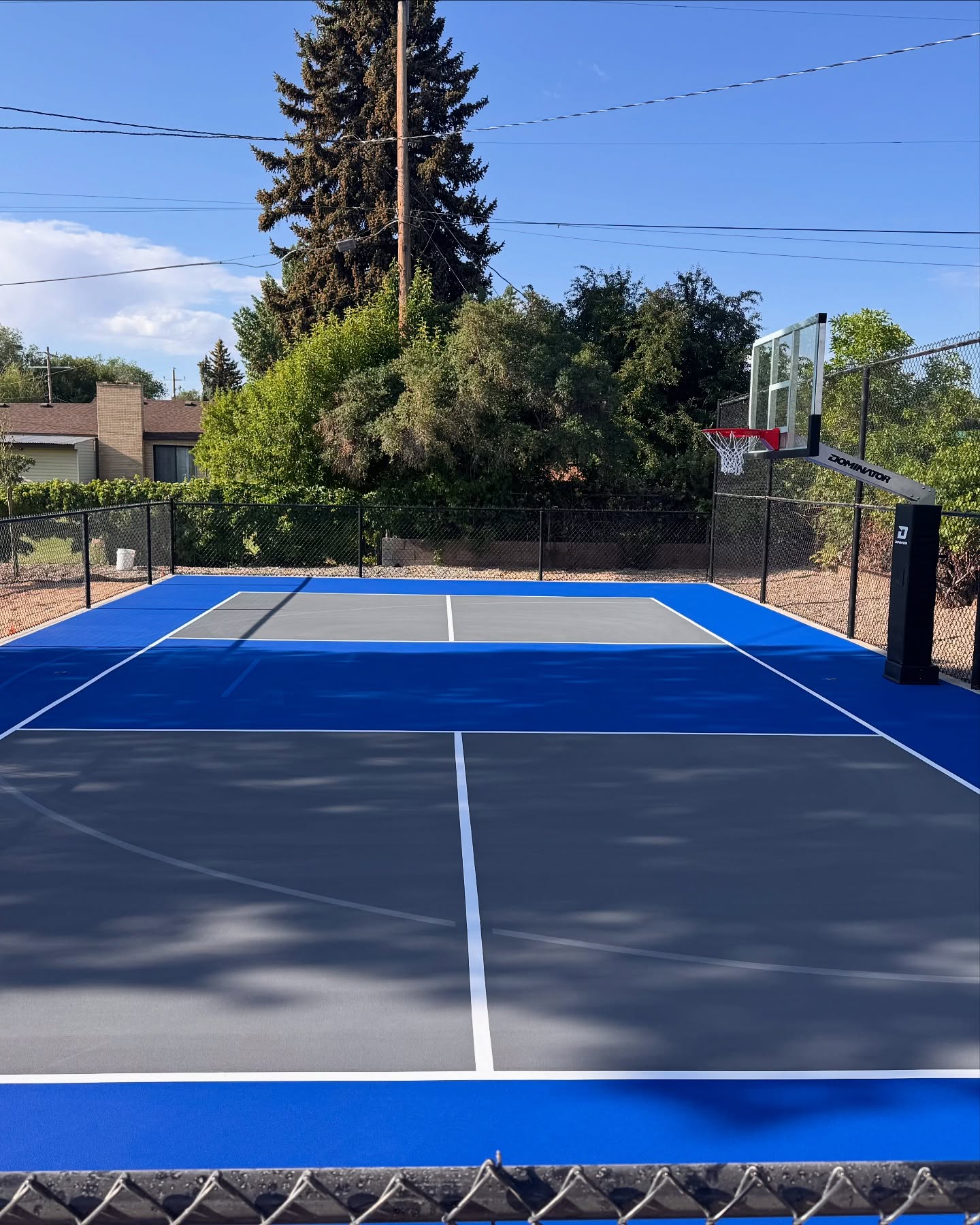
Understanding Permits with a Residential Pickleball Court Builder in Utah
Before construction starts, legal and logistical groundwork is essential. A qualified Residential Pickleball Court Builder in Utah will guide you through zoning laws, permits, and HOA requirements to prevent costly setbacks.
Zoning Requirements and Residential Pickleball Court Builder in Utah Compliance
Utah municipalities enforce strict setback rules and utility protections. Overlooking these details can lead to forced demolition or fines. Expect permitting timelines of 3–6 weeks, depending on your city.
To stay on track, follow this checklist:
Verify local zoning regulations
Review HOA restrictions
Discuss plans with neighbors
Identify and mark underground utilities
Noise is another important consideration. The distinct “pop” of pickleball can carry, especially in quiet neighborhoods. Practical mitigation strategies include:
Installing acoustic fencing
Planting dense vegetation buffers
Encouraging use of quieter paddles
These early steps help ensure your project proceeds smoothly without delays or disputes.
Building a Durable Surface with a Residential Pickleball Court Builder in Utah
Utah’s climate is one of the most challenging in the U.S. for outdoor surfaces. Choosing the right materials and construction methods is critical for longevity.
Why Post-Tension Systems Matter for Residential Pickleball Court Builder in Utah Projects
Standard asphalt may seem cost-effective upfront, but it often becomes brittle under freezing temperatures. Over time, this leads to cracking and frequent repairs.
A more reliable approach is post-tension concrete. This method uses internal steel cables to compress the slab, increasing strength and reducing the risk of cracks caused by soil movement or temperature changes.
Key elements of a high-quality foundation include:
Excavation to at least six inches
Installation of permeable fabric layers
Compacted gravel sub-base for stability
This system is particularly important in areas with expansive clay soil, which can shift and cause surface heaving. Builders like Ace Coatings Utah prioritize these structural details to ensure courts remain level and playable for years.
Designing Smart Layouts with a Residential Pickleball Court Builder in Utah
Beyond construction, thoughtful design significantly impacts playability and user experience. A knowledgeable Residential Pickleball Court Builder in Utah considers sun exposure, drainage, and lighting from the outset.
Layout and Lighting Tips from a Residential Pickleball Court Builder in Utah
Orientation is one of the most overlooked factors. A north-to-south court alignment minimizes glare during sunrise and sunset, improving visibility and gameplay.
Drainage is equally critical. A perfectly flat surface may seem ideal, but it actually traps water. Instead, courts should include a subtle 1% slope to prevent puddling and extend surface life.
For evening play, lighting must balance performance with neighborhood compliance. Many communities follow “Dark Sky” principles, requiring fixtures that direct light downward.
Recommended lighting specifications:
Pole height: 15–20 feet
LED output: ~400-watt equivalent
Shielded fixtures to prevent light spill
Following guidelines aligned with organizations like USA Pickleball ensures your court meets recognized standards for both recreational and competitive play.
Final Thoughts: Building a Court That Lasts
A backyard pickleball court is more than a luxury—it’s a long-term investment in recreation, health, and property value. Costs in Utah typically range from $30,000 to $50,000, depending on site conditions and customization.
Equally important is patience during construction. Concrete requires a full 28-day curing period before surfacing can be applied. Rushing this step can compromise the entire project.
To protect your investment:
Remove debris regularly
Use plastic tools for snow removal
Clean surfaces gently each season
Working with experienced professionals like Ace Coatings Utah ensures every phase—from permitting to final coating—is handled with precision. The result is a court designed not just for today, but for years of consistent play.
Contact Us
Ready to turn your backyard into your favorite place to play? Whether you’re just exploring ideas or already planning your dream court, the team at Ace Coatings Utah is here to help you take the next step with clarity and confidence.
From understanding site conditions to choosing the right surface system for Utah’s climate, you’ll get straightforward guidance rooted in real-world experience. No guesswork—just practical insights that help you make smart, lasting decisions.