



How to Repair Cracks in a Pickleball Court (Expert Guide)
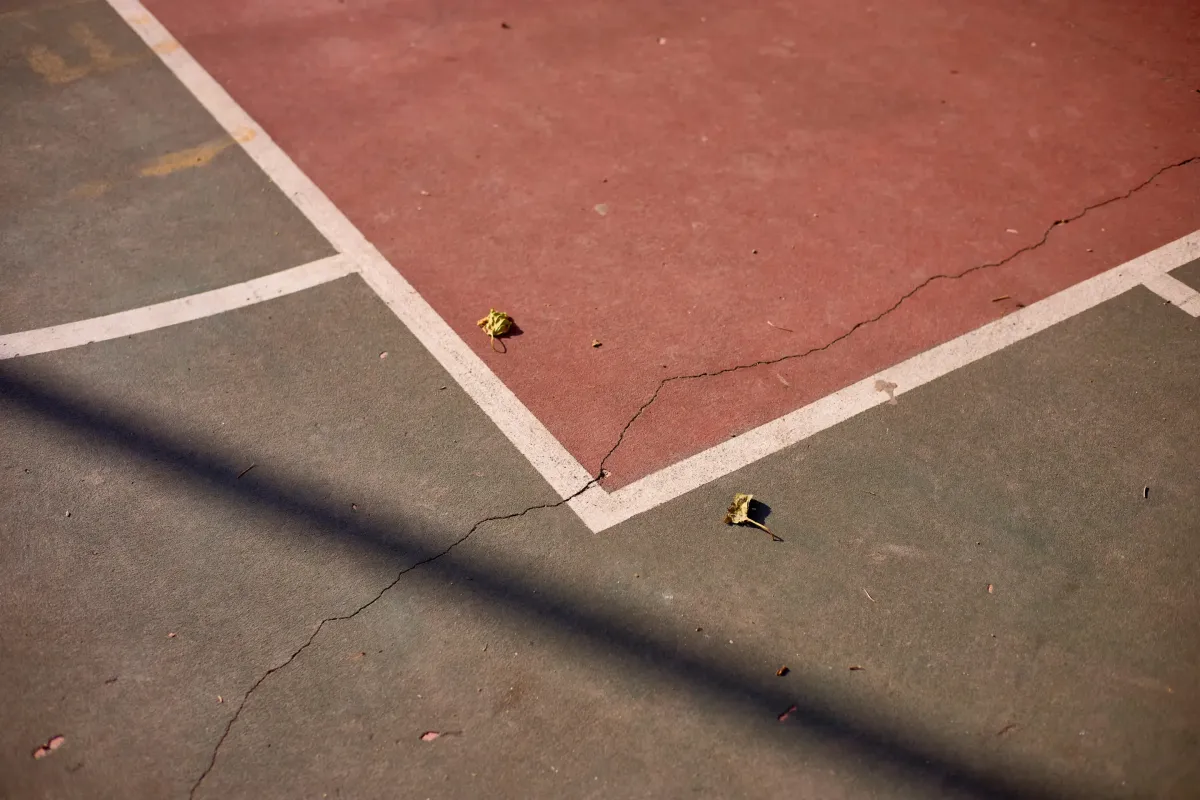
You’re mid-rally, everything feels perfect—until the ball hits a small crack and shoots off unpredictably. These frustrating moments are often the first warning sign of deeper surface issues. Knowing how to repair cracks in pickleball court surfaces early can save you from costly resurfacing and preserve consistent play. Left untreated, even hairline fractures allow water to seep beneath the acrylic layer, weakening the foundation and shortening your court’s lifespan.
Drawing on field-tested practices and industry standards recognized by organizations like USA Pickleball, this guide walks you through identifying, repairing, and preventing cracks—whether you’re a homeowner, facility manager, or club operator. With insights informed by professionals like Ace Coatings Utah, you’ll learn how to approach repairs with confidence and long-term durability in mind.
How to Repair Cracks in Pickleball Court: Identify the Problem First
Before jumping into repairs, it’s critical to understand what kind of crack you’re dealing with. Not all surface flaws are created equal.
Surface vs Structural Damage
Hairline cracks (cosmetic): Thin, shallow, and usually harmless
Moderate cracks: Slightly wider gaps that may allow water intrusion
Structural cracks: Deep, uneven, or expanding cracks indicating base failure
A simple way to assess severity is the credit card test:
If the crack is thinner than a card → likely surface-level
If wider than your finger → potential structural issue
Watch for warning signs like:
“Alligator cracking” (web-like patterns)
Uneven surfaces (heaving)
Recurring cracks in the same area
When structural damage is present, DIY fixes won’t last. This is where experienced contractors like Ace Coatings Utah can properly diagnose and repair underlying issues.
Preparing the Surface: A Critical Step in How to Repair Cracks in Pickleball Court
Proper preparation is often the difference between a long-lasting repair and one that fails within months.
Clean Like a Pro
Think of crack repair like dental work—if the cavity isn’t clean, the filling won’t hold. Dirt, moisture, and debris prevent bonding and lead to premature failure.
Essential tools:
Wire brush (remove weeds and debris)
Pressure washer (deep clean)
Shop vacuum (extract moisture and residue)
Leaf blower (final dry clearing)
Drying Matters
After cleaning, allow at least 24 hours of drying time. Even slight moisture can compromise adhesion and lead to peeling (delamination).
Professionals at Ace Coatings Utah emphasize that skipping this step is one of the most common DIY mistakes—and one of the costliest in the long run.
Materials and Application: How to Repair Cracks in Pickleball Court the Right Way
Using the correct materials ensures flexibility, durability, and safety during gameplay.
Choose the Right Filler
Avoid generic driveway sealants—they harden too much and will crack again with temperature changes.
Instead, use:
Acrylic crack filler (flexible and durable)
Silica sand (adds traction and texture)
Portland cement (for deeper structural filling)
Application Technique
Follow this professional method:
Tape the edges of the crack for clean lines
Fill slightly above surface level (overfill slightly)
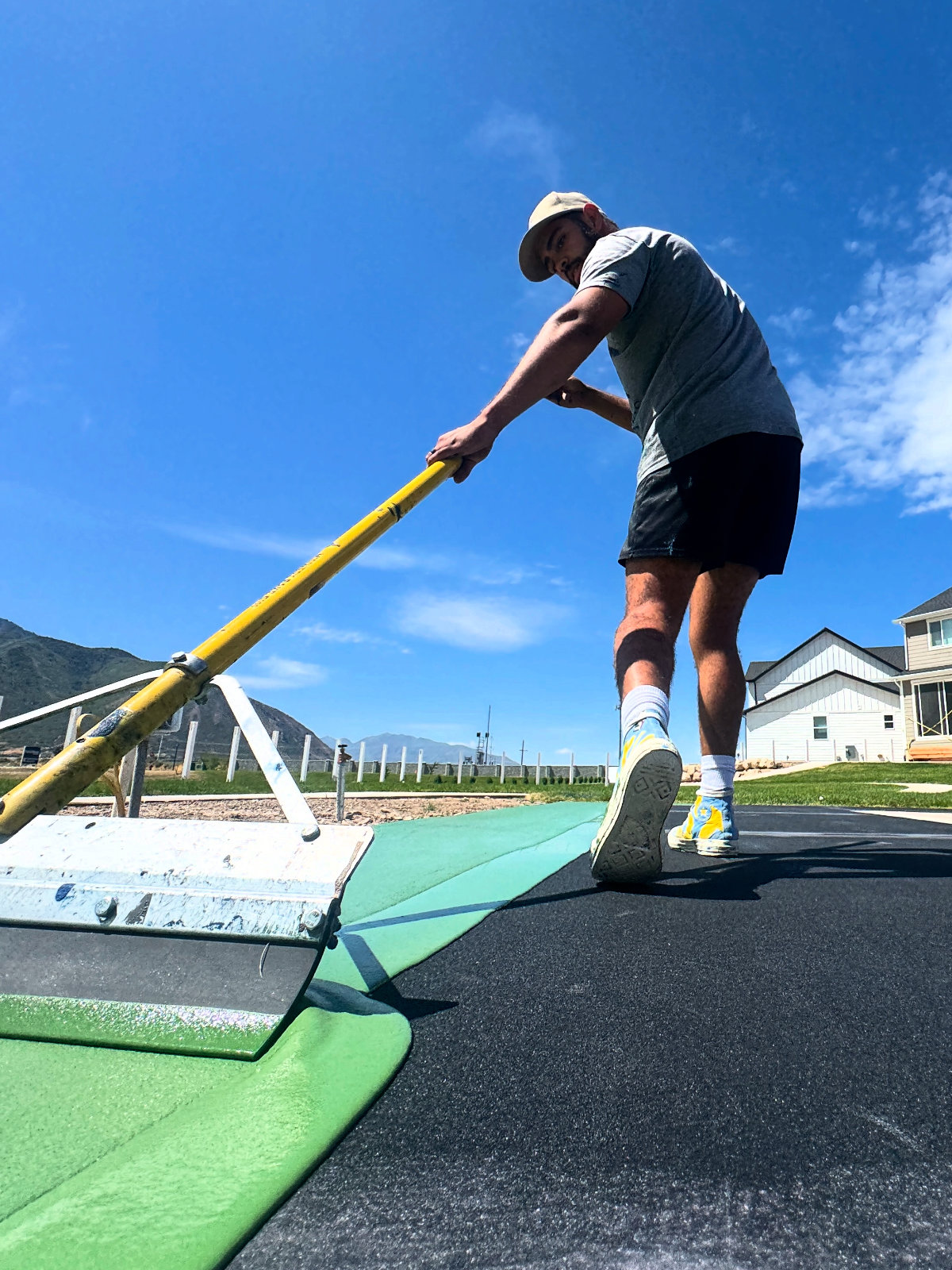
Use a squeegee at a 45° angle to smooth evenly
Remove tape immediately for a clean finish
For deeper areas or “birdbaths” (low spots where water collects), apply multiple thin layers instead of one thick patch.
Advanced Tip: When to Call a Professional
Even the best DIY methods have limits. You should stop and consult experts if you notice:
Cracks wider than 1 inch
Multiple spreading cracks
Uneven surfaces or sinking areas
Recurring damage after repair
These issues often point to sub-base failure, requiring specialized techniques like crack injection or resurfacing. Experienced providers such as Ace Coatings Utah can ensure proper long-term solutions and warranties.
Long-Term Maintenance After Learning How to Repair Cracks in Pickleball Court
Repairing cracks is only half the battle—maintenance is what keeps your court in top condition.
Seasonal Maintenance Checklist
Remove standing water after rain
Clean debris and organic buildup
Inspect cracks and expansion joints quarterly
Address minor issues immediately
Prevent Future Damage
Ensure proper drainage around the court
Schedule periodic professional inspections
Reapply coatings as recommended
Consistent care helps maintain a smooth, predictable playing surface and extends the life of your investment.
Final Thoughts: Protect Your Court Investment
Cracks in a pickleball court aren’t just cosmetic—they’re early warnings of potential structural problems. Acting early with the right materials and techniques can save thousands in future repairs while preserving play quality.
Whether you’re tackling a DIY fix or evaluating deeper issues, following expert-backed methods ensures your court remains safe, durable, and enjoyable for years to come.
Contact Us
Need professional help or a full court assessment? Ace Coatings Utah is here to help with expert repairs, resurfacing, and maintenance solutions tailored to your facility.