



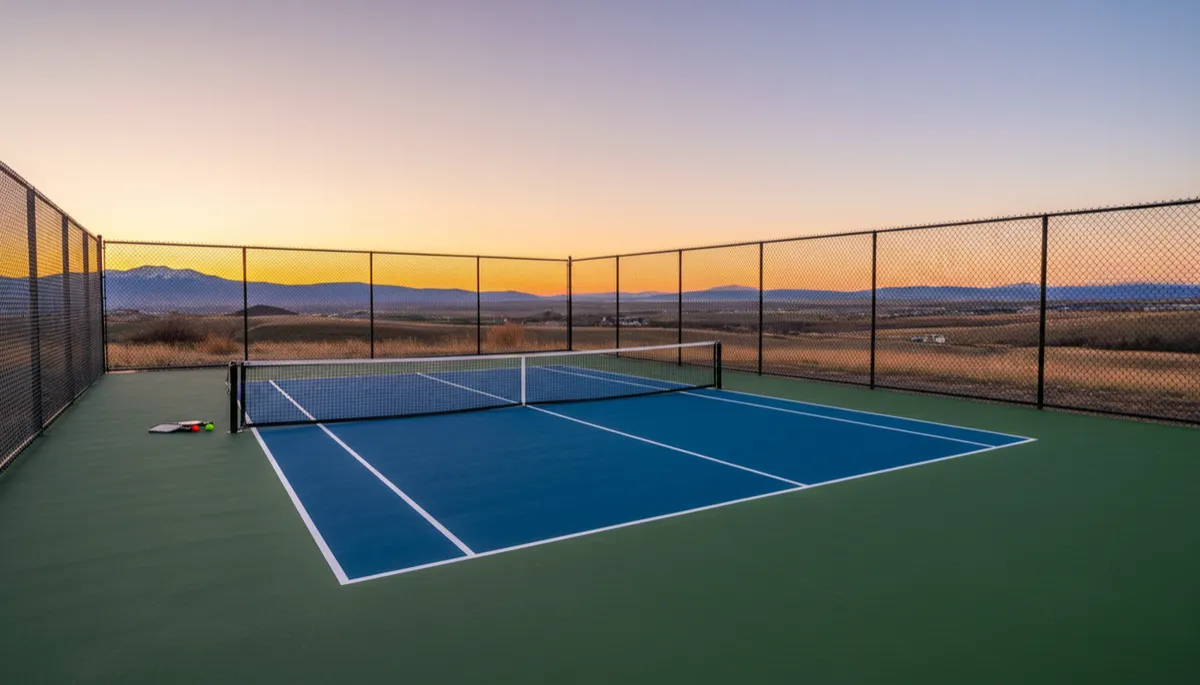
Choose the Best Pickleball Court with Fence Installer in Utah
Home Improvement, Pickleball Courts, Utah Contractors
How to Choose the Right Pickleball Court and Fence Installer in Utah
If you’re a homeowner or property manager looking for pickleball court with fence installer in Utah , you’re probably asking the same questions many Utah families and communities ask: How much space do I need, what kind of surface holds up in our climate, what about fencing, and who can handle the entire project from prep to final coating? This guide walks you through every major decision, from court layout and surface options to fencing styles and long‑term maintenance, so you can move forward with confidence instead of guesswork.
Why Utah Is Perfect for a Home or Community Pickleball Court
Utah’s mix of sunny days, active communities, and outdoor‑focused lifestyles makes it an ideal place to invest in a dedicated pickleball court. Whether you’re in Salt Lake, Utah County, or a smaller town, courts are popping up in backyards, HOAs, churches, and small commercial properties because the game is:
Easy to learn for kids, adults, and seniors alike
Low impact compared to many other court sports
Space efficient – a pickleball court is smaller than a tennis court, so it fits on more properties
But to enjoy all those benefits, you need more than a painted slab. A quality court surface, proper drainage, and a well‑installed fence are what separate a frustrating DIY project from a court that looks great, plays true, and lasts in Utah’s hot summers and snowy winters.
Court Size, Layout, and USA Pickleball Guidelines
Before you think about colors or fencing, it helps to know the standard court dimensions and best‑practice recommendations. The organization USA Pickleball publishes construction guidelines for court builders across the country. For a single court, the typical playing area is 20 feet by 44 feet, but you’ll want a total court and safety zone of about 30 feet by 60 feet to allow room around the edges for safe play and fencing.
A professional installer familiar with these standards will help you:
Position the court for good sun angles, so you’re not always serving into the glare
Plan proper drainage and slope for Utah storms and snowmelt
Leave enough space for fence posts, gates, and spectator areas
Surface Options That Work in Utah’s Four Seasons
Utah’s freeze–thaw cycles can be hard on concrete and asphalt, so choosing the right base and coatings is critical. Most residential and community courts use one of these foundations:
Concrete slab – durable, low maintenance, and ideal for long‑term courts when properly reinforced and jointed
Asphalt – a bit more flexible, sometimes chosen for larger multi‑court projects
On top of that base, a specialized sport coating system is applied to create the right texture, color, and ball response. This is where a coatings specialist makes a huge difference. A properly installed system will:
Provide consistent bounce and predictable play
Offer a non‑slip texture that still allows smooth movement
Use UV‑stable colors that resist fading in Utah’s intense sun
Why Your Fence Matters as Much as Your Court Surface
Many people start out thinking, “We’ll pour a slab, paint lines, and add a simple fence.” Once play starts, the fence becomes one of the most appreciated features on the court. A good fence:
Keeps balls contained so you’re not chasing them down driveways or hillsides
Protects landscaping and windows near the court area
Offers safety and privacy for players and neighbors
Typical pickleball fences are 8 to 10 feet tall and use chain link or welded wire panels. In Utah, the posts must be set to withstand wind, shifting soils, and the occasional snow load. An installer who handles both the court and the fence can align post locations with the playing surface, gates, and drainage, instead of treating the fence as an afterthought.
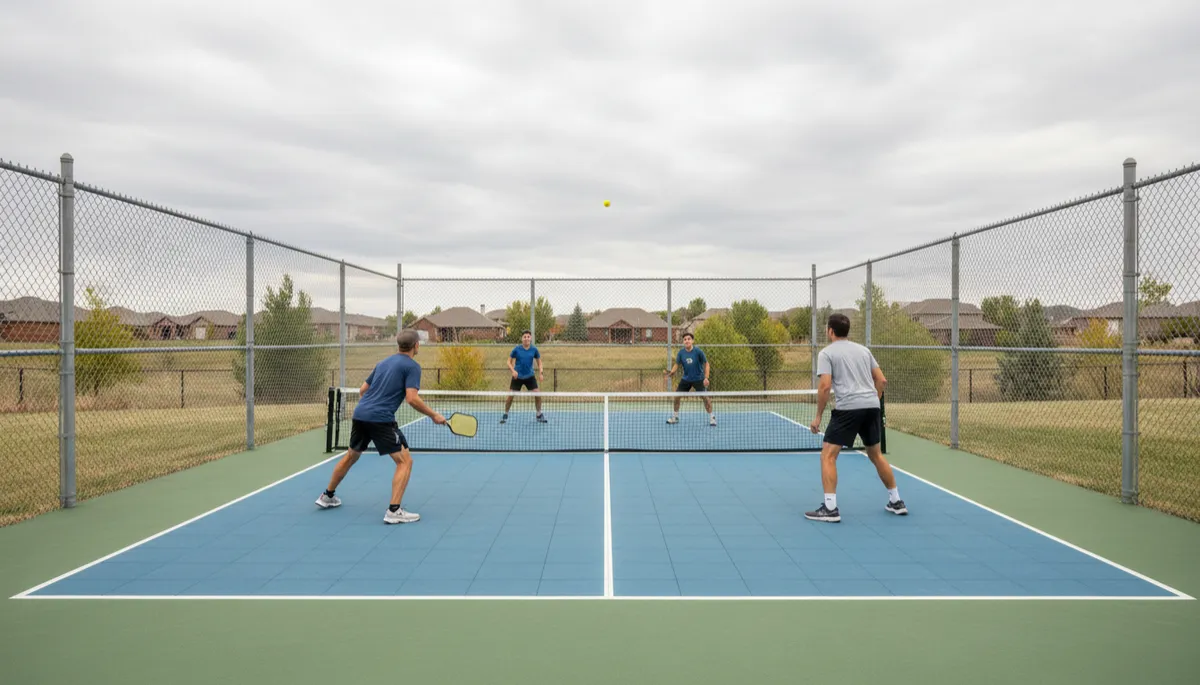
A well‑planned fence keeps play contained while blending with the property.
Choosing a Pickleball Court and Fence Installer in Utah: What to Look For
When you start calling around for quotes, you’ll quickly notice that not every contractor understands sports courts. To protect your investment, look for an installer who can show you:
Local project experience – Completed pickleball or other sport courts in Utah’s climate, not just generic flatwork.
End‑to‑end capability – Site prep, concrete or asphalt, coatings, striping, and fencing coordinated by one team.
Clear, written scope and warranty – So you know exactly what’s included, what’s covered, and for how long.
One Utah‑based specialist that checks these boxes is Ace Coatings Utah . Their focus on protective and sport coatings, combined with experience in exterior surfaces, makes them a strong choice for homeowners and organizations who want a court that looks professional and stands up to real‑world use.
Budgeting: What Affects the Cost of a Pickleball Court with Fence?
Every property is different, so there’s no single price that fits every project. However, you can anticipate your budget more accurately when you understand the main cost drivers:
Site preparation – Grading, excavation, and base materials if your area isn’t already level and compacted.
Concrete or asphalt thickness – Thicker slabs and reinforcement add cost but improve longevity.
Coating system – Premium sport coatings and multiple color layers cost more upfront but reduce maintenance and improve play.
Fence height and material – Taller fences, upgraded mesh, privacy slats, and extra gates increase total investment.
A reputable installer will walk you through good–better–best options so you can balance budget with performance. For many Utah homeowners, the sweet spot is a durable concrete base, a quality sport coating system, and a mid‑height chain link fence that blends with the home’s exterior.
Timeline: How Long Does Installation Take in Utah?
Weather plays a big role in your project schedule. In many parts of Utah, the main building season runs from spring through fall. A typical single‑court project might follow this general timeline:
Site prep and base work: 1–3 days, depending on grading needs.
Concrete or asphalt placement: 1 day, plus curing time (often 3–4 weeks for concrete before coatings).
Coating and striping: Several days, allowing for drying between layers and weather windows.
Fence installation: 1–3 days, often overlapping with or following surface work.
Your installer should build in weather contingencies and communicate clearly about when you can safely start playing on the new surface without risking damage.
Maintenance Tips to Keep Your Court and Fence Looking New
A well‑built court doesn’t require constant work, but a little routine care goes a long way—especially in a place with dust, leaves, and winter de‑icing materials like Utah. Plan on:
Regular sweeping or blowing to remove grit that can wear coatings prematurely.
Gentle washing with water and mild cleaner to remove stains or buildup.
Fence checks once or twice a year to tighten hardware and look for any damage after storms.
Over time, your installer may recommend re‑coating the surface to refresh color and texture, especially if your court gets heavy play from family, friends, or community members. Working with a coatings‑focused contractor from the start makes future touch‑ups straightforward instead of starting over.
Bringing It All Together: Your Next Steps
Installing a pickleball court and fence in Utah is a significant project, but it doesn’t have to feel overwhelming. When you break it down—space planning, base and coatings, fencing, and maintenance—it becomes a clear, manageable process that can transform how you and your loved ones spend time together at home or in your community.
Start by measuring your available space, reviewing the construction guidelines from USA Pickleball , and then talking with a Utah‑based installer who understands both sport coatings and fencing. A team like Ace Coatings Utah can help you design a court that fits your property, your budget, and the way you actually play—so when the work is done, you’re not just looking at a slab with a fence, but at a long‑lasting, beautiful court that becomes a favorite gathering place for years to come.