


Pickleball Court Coating Maintenance Tips
A well-built pickleball court can deliver years of fast rallies, clean ball response, and safe player movement, but only when the surface is cared for consistently. These Pickleball court coating maintenance tips are designed to help court owners, facility managers, HOAs, schools, and private property owners protect the acrylic coating, reduce premature repairs, and keep the playing experience consistent through changing weather and heavy use.
Pickleball has grown quickly, and with that growth comes more demand on court surfaces. More players mean more foot traffic, more paddle bags and chairs near the sidelines, more debris tracked onto the court, and more wear on the textured acrylic coating. A clean, properly maintained surface helps preserve traction, supports a more reliable bounce, and reduces hazards that can lead to slips, trips, or surface damage.
For outdoor courts in Utah, maintenance is especially important because the surface may face intense sun, dry dust, sudden storms, freeze-thaw cycles, and temperature swings. Ace Coatings Utah understands that a pickleball court is not just a painted slab; it is a layered sports surface system that depends on drainage, texture, coating thickness, and proper curing to perform well over time.
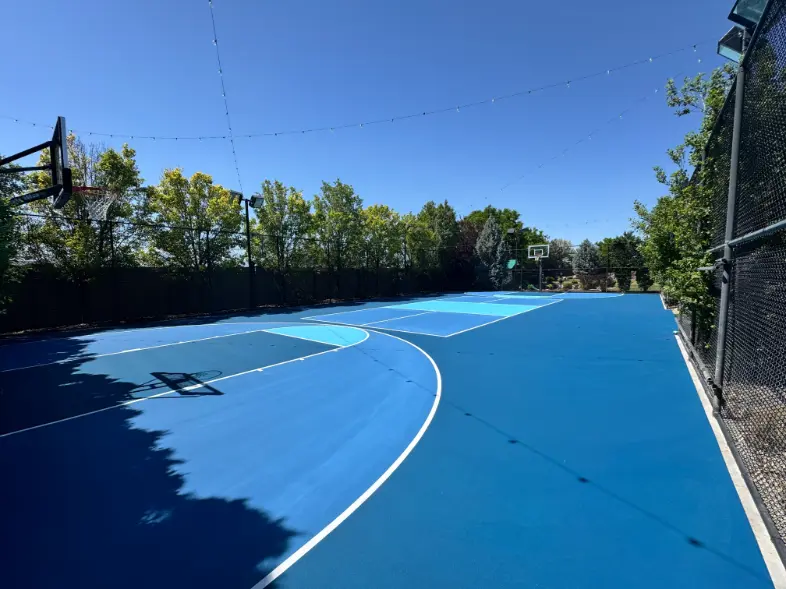
Pickleball court coating maintenance tips for cleaning and traction
Acrylic pickleball court coatings are designed to create color, traction, and protection. The top layers typically include fine aggregate, often silica sand, which gives the court its grip. When dust, leaves, pollen, dirt, or organic buildup settle into that texture, the surface can become slick even if the coating itself is still in good condition.
Routine cleaning is the simplest and most cost-effective way to extend court life. It prevents debris from acting like sandpaper under players’ shoes and keeps the textured profile open so the surface can provide traction as intended.
Daily Pickleball court coating maintenance tips for a cleaner surface
Daily care does not need to be complicated. The goal is to remove abrasive debris before it gets ground into the coating.
Use these habits as a practical baseline:
Sweep or blow off the court before play, especially after windy weather.
Use a soft-bristled push broom, not a wire brush or stiff industrial broom.
Remove leaves quickly, since wet organic material can stain the coating.
Keep food, gum, sports drinks, and oily substances off the playing area.
Place benches, chairs, and equipment off the coated surface when possible.
A leaf blower is often ideal for regular debris removal because it clears the surface without scraping. For hand sweeping, choose soft bristles and work in smooth passes rather than aggressive scrubbing.
Standing water should also be addressed promptly. Puddles collect dirt, soften contaminants, and may contribute to coating deterioration if they remain for long periods. After rain, use a wide foam-blade squeegee to move water off the court. Foam is preferred because it is effective without digging into the acrylic finish.
Deep cleaning should be scheduled monthly or as needed based on use, shade, and local conditions. A mild cleaning solution, soft brush, and thorough rinse can restore both color and grip. Avoid harsh solvents, degreasers, or acidic cleaners unless they are specifically approved for acrylic sport surfaces.
For mold, algae, or mildew, use a gentle approach. A common method is a diluted cleaning solution with water, a small amount of mild dish soap, and a carefully controlled amount of household bleach for affected areas. Let the solution dwell briefly, scrub lightly with a soft brush, and rinse completely. Never allow strong chemicals to dry on the court.
Pressure washing can help with heavy grime, but it must be done carefully. Keep pressure low, use a wide fan tip, hold the wand away from the surface, and keep it moving. Excessive pressure can strip coating, scar the surface, or create visible wand marks.
Pickleball court coating maintenance tips for cracks, drainage, and wear
Cleaning protects the top layer, but inspections protect the entire court system. A small crack, low spot, or peeling area may not seem urgent at first, but water intrusion can turn a minor surface issue into a larger repair. This is especially true in climates where moisture can freeze, expand, and widen existing damage.
Walk the court regularly and look closely at the high-traffic areas: baselines, kitchen lines, service boxes, and court edges. Also check around fence lines, gates, net posts, and shaded corners where debris and moisture tend to accumulate.
Seasonal Pickleball court coating maintenance tips for Utah weather
Seasonal maintenance helps court owners stay ahead of weather-related damage. A court that looks fine in summer may reveal issues after winter, while a surface that feels safe in spring may become dusty and slick during dry months.
A practical seasonal rhythm looks like this:
Spring:
Clean away winter residue, inspect for new cracks, check drainage, and treat any mildew in shaded areas.
Summer:
Sweep frequently, rinse dust as needed, manage UV exposure, and remove spills before they stain or attract dirt.
Fall:
Increase leaf removal, trim overhanging branches, clear drains, and prepare the surface for colder weather.
Winter:
Avoid rock salt and harsh ice-melting chemicals on the acrylic coating. If snow removal is necessary, use non-metal tools and avoid scraping the surface aggressively.
Crack repair should be handled early. Hairline cracks can often be cleaned and filled with appropriate acrylic crack filler, then smoothed flush with the surrounding surface. The key is preparation. Dirt, loose material, and moisture must be removed before filler is applied. If the crack is active, wide, or returning quickly after repair, the issue may be structural and should be evaluated professionally.
Drainage is equally important. Low areas that hold water are often called “birdbaths.” A simple field check is to observe whether puddles remain long after the rest of the court has dried. Persistent standing water can cause staining, collect debris, and shorten coating life. Minor low spots may be leveled with acrylic patching materials, but larger drainage issues often require professional assessment.
The court’s surface texture should also be monitored. If players notice slipping even after the court has been cleaned, the aggregate profile may be worn down. At that point, cleaning alone will not restore performance. The surface may need recoating or resurfacing to rebuild traction.
Pickleball court coating maintenance tips for resurfacing decisions
Even with excellent maintenance, every outdoor pickleball court eventually needs resurfacing. The coating wears through normal play, UV exposure fades pigments, and the textured grip gradually becomes smoother. Knowing when to resurface helps avoid unsafe play conditions and prevents small problems from becoming expensive reconstruction projects.
Most outdoor pickleball courts are resurfaced every several years, but the exact timeline depends on climate, court usage, base condition, drainage, and maintenance quality. A lightly used private court may last longer between resurfacing cycles than a busy public or club court that sees daily play.
Professional Pickleball court coating maintenance tips before resurfacing
Before resurfacing, the existing court should be evaluated as a system. The contractor should look at the coating, cracks, low spots, drainage, base movement, line visibility, and overall playability. A fresh color coat over unresolved cracks or drainage problems may look good briefly but will not solve the underlying issue.
A professional resurfacing plan may include:
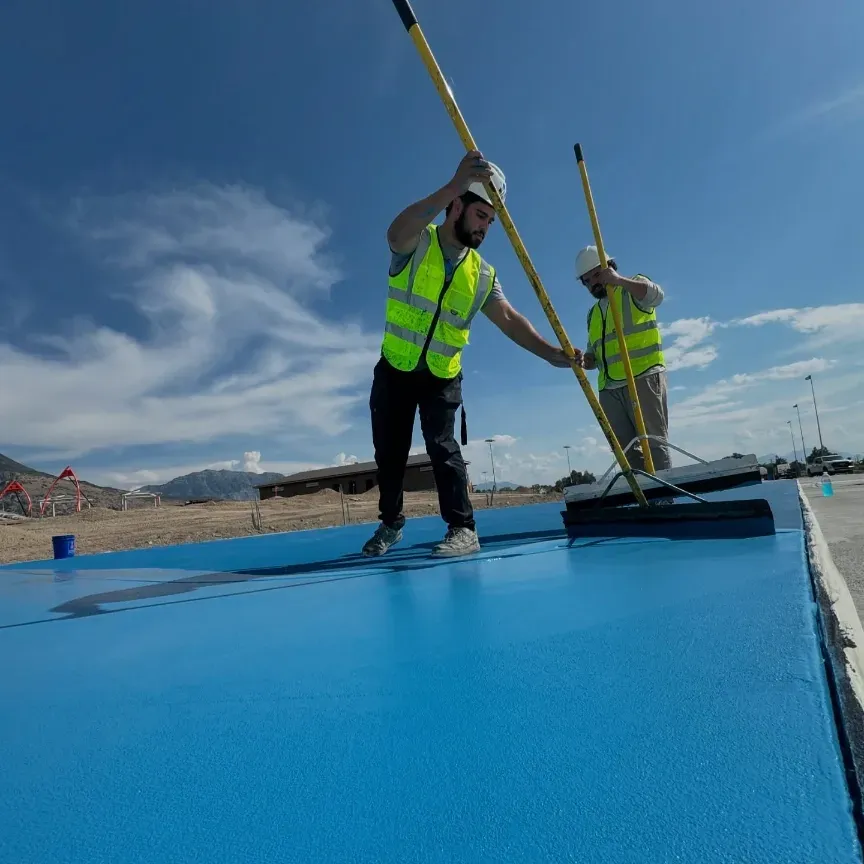
Cleaning and preparing the existing surface
Filling cracks with compatible repair materials
Leveling birdbaths or low areas
Applying resurfacer coats where needed
Rebuilding color coats with proper texture
Re-striping accurate pickleball lines
Allowing adequate cure time before reopening the court
Line accuracy matters, especially for facilities that host competitive or organized play. Court owners often reference USA Pickleball guidance when confirming dimensions and layout expectations, but coating quality and surface preparation are just as important for real-world performance.
This is also the right time to consider upgrades. Cushioned acrylic systems can improve player comfort by adding shock-absorbing layers beneath the final color coats. These systems are especially valuable for clubs, senior communities, and facilities where players spend long sessions on court. Cushioning does not eliminate impact, but it can reduce stress on knees, ankles, hips, and lower backs compared with a standard hard court system.
Color selection is another resurfacing consideration. Lighter colors may reduce heat absorption, while strong contrast between the playing area and out-of-bounds zones improves ball visibility. The right color combination should support playability, durability, and the visual style of the facility.
DIY maintenance can be useful for sweeping, washing, minor stain removal, and isolated touch-ups. However, widespread peeling, deep cracking, major fading, drainage failure, and slippery texture usually call for professional help. Ace Coatings Utah can help evaluate whether a court needs simple maintenance, targeted repair, or full resurfacing.
Conclusion
A pickleball court performs best when maintenance is proactive rather than reactive. Regular sweeping, gentle washing, prompt water removal, early crack repair, and seasonal inspections all work together to protect the acrylic coating and the base beneath it. These habits keep the court safer, cleaner, better looking, and more enjoyable for players.
The most important principle is consistency. A few minutes of routine care can prevent months of accelerated wear. When a surface begins to lose texture, hold water, fade significantly, or develop recurring cracks, it is time to look beyond basic cleaning and consider professional repair or resurfacing guidance.