



Pickleball Court Builders in Utah
Choosing the right team for your backyard or community court is one of the most important decisions you will make, especially when working with Pickleball Court Builders in Utah who understand the state’s unique weather, soil, elevation, and outdoor recreation culture. A pickleball court may look simple from the outside, but long-term performance depends on careful planning, proper base construction, quality surfacing, drainage, and expert installation.
Utah is an ideal place for pickleball. From family backyards along the Wasatch Front to private courts in Southern Utah and community recreation spaces across the state, more property owners are investing in dedicated courts that support healthy, social, year-round play. But a court built for Utah has to handle more than weekend matches. It must stand up to freeze-thaw cycles, intense sun exposure, high-desert heat, snow removal, and daily wear.
That is why a successful project starts with understanding what goes into a durable, comfortable, and professional-quality playing surface. Whether you are building a single residential court or planning a multi-court facility, the right approach can help protect your investment for years.
What Pickleball Court Builders in Utah Should Consider Before Construction
A great court begins long before surfacing materials are applied. Site planning is where many long-term issues are either prevented or accidentally created. Before any concrete is poured or fencing is installed, the space should be evaluated for size, slope, drainage, access, sun orientation, and surrounding property features.
A standard pickleball playing area measures 20 feet by 44 feet, but the full court footprint should be larger to allow safe movement outside the lines. For most residential builds, a minimum overall area of about 30 feet by 60 feet is commonly recommended. More space is even better if players will be competitive, if fencing is close to the court, or if the court will serve multiple uses.
Property owners should also think through:
How water naturally moves across the site
Whether retaining walls or grading will be needed
How close the court sits to property lines
Local permitting requirements
HOA guidelines or neighborhood rules
Noise, lighting, and privacy concerns
Long-term access for maintenance equipment
Utah’s terrain varies dramatically from one region to another. A court in Salt Lake County may face snow loads, freeze-thaw movement, and spring runoff, while a court in St. George may need greater attention to heat, UV exposure, and surface temperature. Experienced sports surface professionals account for these conditions before installation begins.
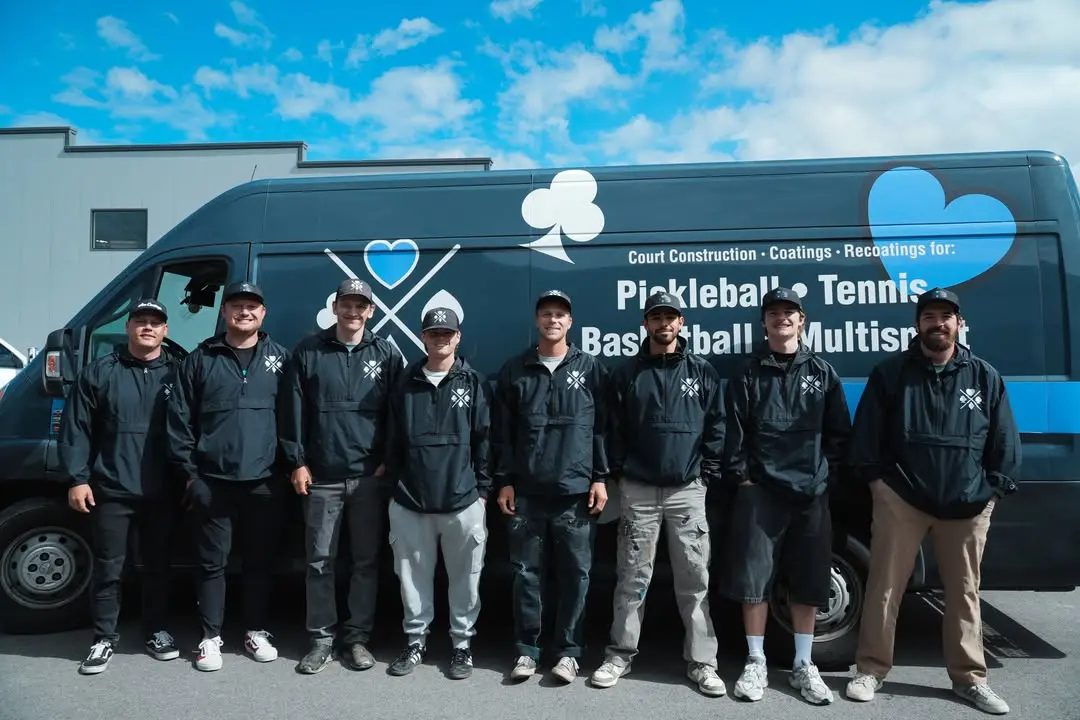
This is also where a company such as Ace Coatings Utah can provide practical value. A knowledgeable local team can help identify site-specific concerns early, so the finished court performs well instead of simply looking good on completion day.
How Pickleball Court Builders in Utah Plan for Space, Permits, and Layout
Permits are one of the most overlooked parts of backyard court construction. Requirements vary by municipality, but many Utah cities and counties may review projects for setbacks, drainage, lot coverage, lighting, fencing height, and accessory structure rules. Homeowners in managed communities may also need HOA approval before work begins.
Court orientation matters too. When possible, courts are often positioned north-south to reduce direct sun glare during morning and evening play. This detail can make the court more comfortable and usable throughout the day.
Layout planning should also include the surrounding experience. For example, a court may benefit from shaded seating, a walkway from the home, storage for paddles and balls, or landscaping that softens sound. The best designs think beyond the playing lines and consider how the court will actually be used by family, guests, or community members.
Materials and Surfacing Choices from Pickleball Court Builders in Utah
The base of the court is the foundation of the entire project. In Utah, this decision is especially important because seasonal expansion and contraction can place stress on outdoor surfaces. While asphalt can be used in some settings, many premium residential and private courts benefit from concrete systems designed to reduce cracking and movement.
Post-tension concrete is often preferred for higher-end court builds because it uses tensioned steel cables to strengthen the slab. This can help limit cracking and shifting compared with a basic slab, especially in regions with freeze-thaw conditions. The right base preparation, compaction, drainage, and curing time are just as important as the concrete itself.
After the base is ready, the court surface system determines playability, traction, color stability, and comfort. Acrylic sport coatings are commonly used because they create a consistent ball bounce and a textured, non-slip finish. For players who want added comfort, cushioned acrylic systems can reduce impact on knees, hips, and lower backs.
Professional surfacing should address:
Consistent texture for safe movement
Proper traction without being abrasive
UV-resistant color coatings
Clean, accurate line striping
Surface slope for water runoff
Compatibility with Utah’s climate
The goal is not just to create a court that looks sharp in photos. The goal is to create a surface that plays consistently, drains properly, resists premature wear, and remains comfortable for regular use.
Why Pickleball Court Builders in Utah Focus on Drainage, Base Strength, and Coatings
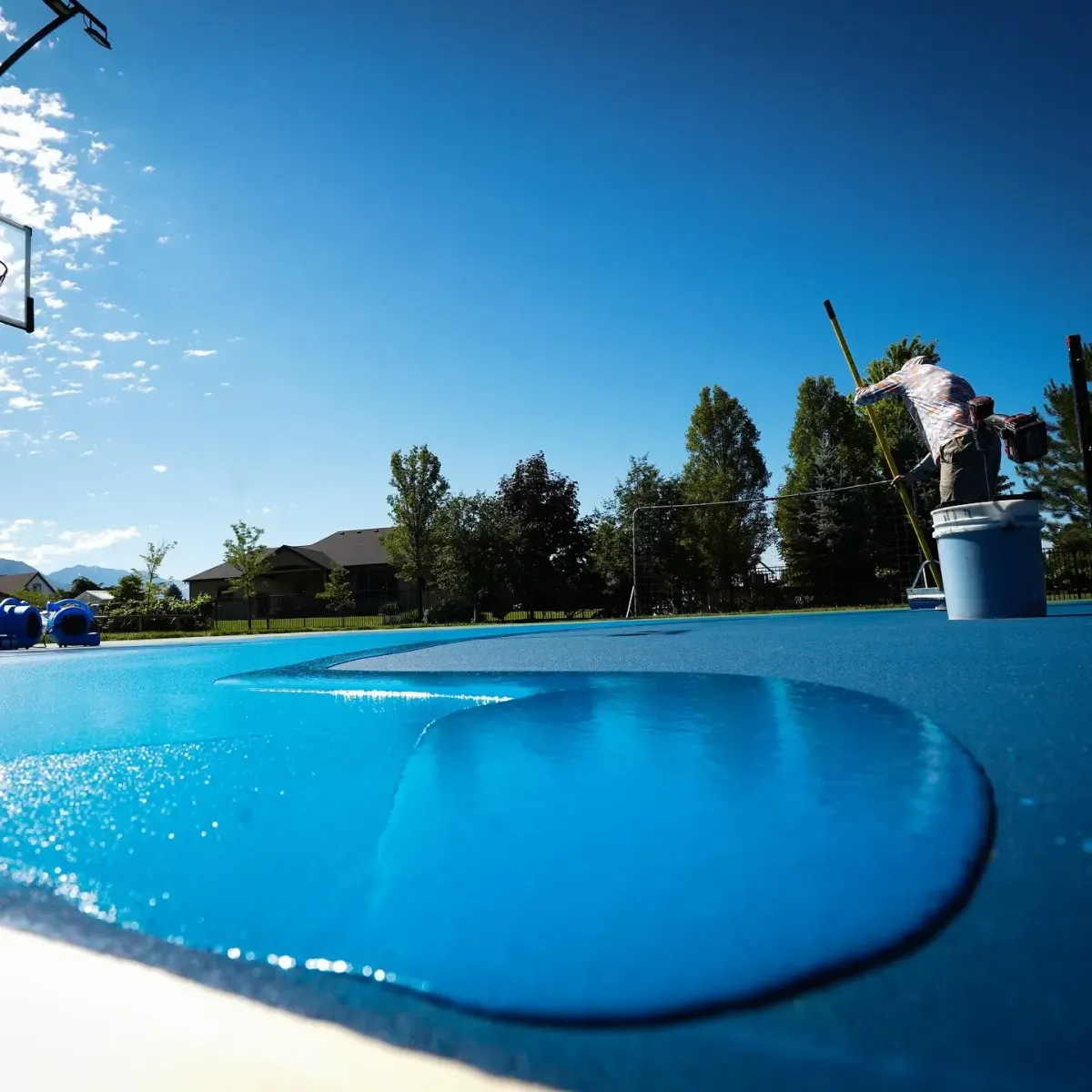
Drainage is one of the most important technical details in outdoor court construction. Even small areas of standing water can shorten the life of coatings, create slippery spots, stain the surface, or contribute to cracking over time. A properly built court should have a controlled slope that moves water off the surface without affecting play.
Base strength is equally important. Poorly compacted soil, inadequate gravel layers, or rushed concrete work can lead to settlement, cracking, and uneven bounce. These problems are much harder and more expensive to fix after the court is finished.
Coatings should also match the court’s location. In higher elevations, UV exposure can be intense. In Southern Utah, heat and sun can be relentless. Quality acrylic systems are designed to handle outdoor exposure, but product selection and application technique matter. Surface preparation, temperature conditions during installation, and cure times all affect the final result.
Ace Coatings Utah brings this type of sports-surface perspective into the planning process, helping property owners make decisions based on performance rather than guesswork.
Long-Term Value with Pickleball Court Builders in Utah
A pickleball court is a meaningful investment, so long-term value should guide every decision. Cutting corners on base preparation, surfacing, drainage, or layout may reduce the initial price, but it can lead to repairs, resurfacing, or usability problems sooner than expected.
For residential properties, a well-built court can create a private recreation space that supports fitness, family time, and social gatherings. For schools, parks, clubs, and communities, quality construction helps reduce maintenance concerns and improves the player experience. In both cases, the court should be built with durability and safe play in mind.
Customization can also improve long-term usefulness. Some property owners choose multi-sport layouts that include basketball, tennis practice lines, or family game areas. Others prefer a dedicated pickleball-only court with permanent net posts, fencing, windscreens, lighting, and shaded seating.
When choosing between permanent and portable net systems, consider how the space will be used. Permanent posts create a more professional feel and reliable net tension. Portable systems offer flexibility if the court will serve multiple sports or events. Lighting should be directional and thoughtfully placed to reduce glare for players and minimize disturbance to neighbors.
Sound is another practical concern. The paddle-and-ball sound is part of the game, but it can carry in quiet neighborhoods. Landscaping, fence materials, court placement, and acoustic barriers can all help reduce impact. Planning these features early is easier than trying to correct sound issues later.
Maintenance Advice from Pickleball Court Builders in Utah for Year-Round Play
Even the best court needs routine care. Fortunately, maintenance is usually manageable when the court is built correctly and cared for consistently.
Helpful maintenance practices include:
Remove leaves, dirt, pine needles, and organic debris regularly
Rinse the surface when dust or residue builds up
Keep sprinklers from spraying onto the court
Avoid dragging heavy furniture or equipment across the coating
Use plastic snow shovels rather than metal blades
Do not apply harsh chemicals or deicing salts
Inspect fencing, net posts, and surface edges seasonally
In snowy regions, winter maintenance deserves special attention. Snow can be removed carefully, but metal tools can gouge the acrylic surface. In hot regions, owners should avoid placing rubber-backed mats, heavy planters, or items that trap heat directly on the court surface.
Resurfacing timelines vary depending on usage, weather exposure, maintenance, and coating quality. A lightly used private court may last longer between resurfacing cycles than a busy community court. Regular inspections help identify small issues before they become expensive repairs.
It is also important to follow recognized playing standards when planning court dimensions and markings. USA Pickleball provides widely referenced guidance for official court layout, which can help ensure the finished court feels familiar and plays correctly.
Ace Coatings Utah is mentioned here as part of the expert planning conversation because court construction is not just a concrete project. It is a specialized sports-surface project that requires attention to playability, safety, drainage, climate, and long-term care.
A well-built pickleball court should feel inviting on day one and continue performing season after season. With the right planning, materials, and installation team, Utah property owners can create a court that supports competitive rallies, casual family games, and lasting outdoor enjoyment.