



Pickleball Court Construction Companies: How to Choose the Right One
A poorly built pickleball court doesn’t just disappoint—it quietly drains your wallet for years through cracks, puddles, and uneven play. The difference between a dream court and a costly failure often comes down to who you hire. Choosing the right pickleball court construction companies requires more than comparing prices; it requires understanding how courts are engineered, who is qualified to build them, and how to spot shortcuts before they become permanent problems.
This guide is designed to help homeowners, HOAs, schools, and facility managers make confident, informed decisions—so your investment delivers decades of reliable performance instead of ongoing repairs.
Pickleball Court Construction Companies and the Foundation That Determines Everything
Think of building a pickleball court like constructing a house. The painted surface you see is only the finish. What truly determines longevity is what lies beneath it.
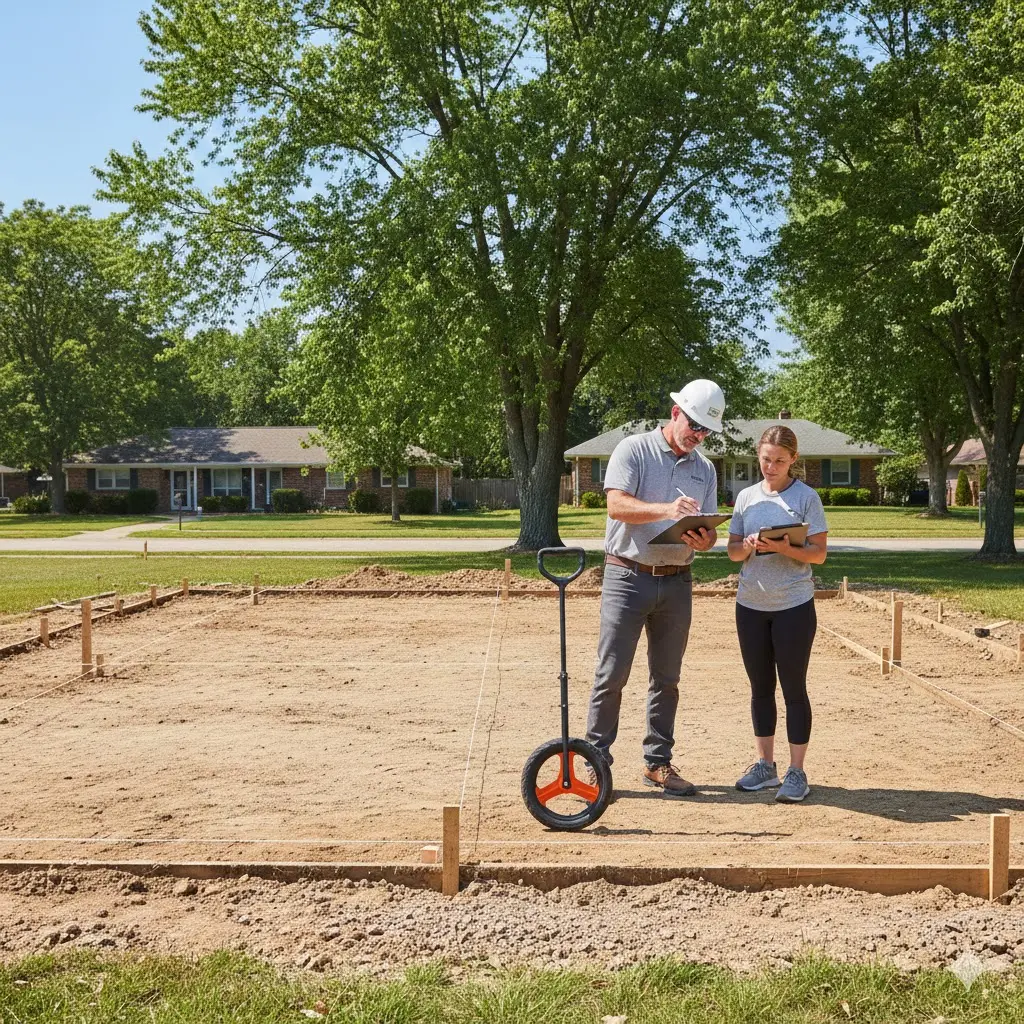
Professional pickleball court construction companies understand that a court is a layered system, not a slab with lines. The most critical layer is the sub-base—a compacted gravel foundation designed to prevent movement, cracking, and drainage failure.
A rushed or inexperienced contractor may install only two inches of gravel to reduce costs. However, industry best practice requires four to six inches of mechanically compacted sub-base, properly graded for drainage. Without this, even the most expensive acrylic surface can fail in as little as two years.
Reputable specialists like Ace Coatings Utah emphasize sub-base integrity because it directly impacts slope accuracy, surface performance, and long-term maintenance costs. This attention to fundamentals is one of the clearest indicators of a true professional.
Sub-Base Engineering
The sub-base must do three things flawlessly:
Support structural loads without settling
Promote consistent drainage away from the court
Provide a stable platform for asphalt or concrete
Experienced pickleball court construction companies perform soil evaluations, adjust base thickness for site conditions, and compact in lifts to prevent future movement. Skipping these steps is one of the most common causes of premature court failure.
Drainage Precision
Drainage is not optional—it’s engineered. Courts typically require a 1% slope, precise enough to move water without affecting play. Professionals can explain exactly how slope is established and verified. Vague promises like “we’ll make sure it drains” are a warning sign.
Surface Systems
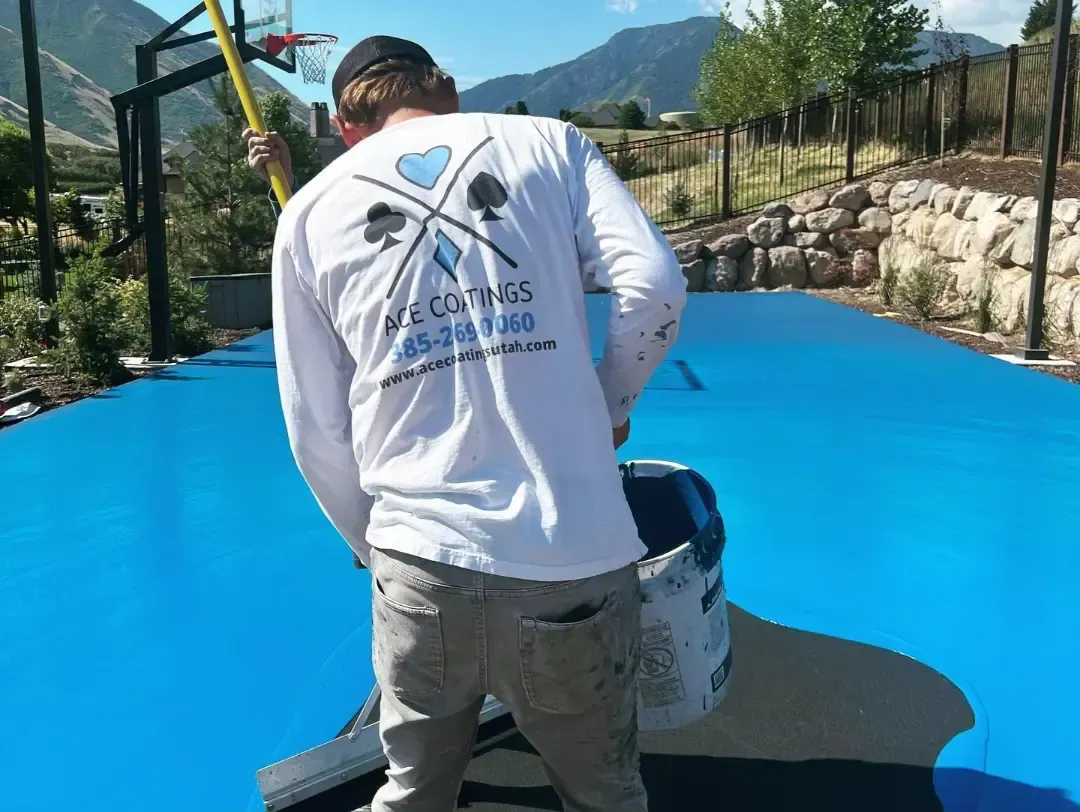
Beyond the base, elite contractors understand acrylic surfacing systems, color coats, texture control, and optional cushioning layers. Companies such as Ace Coatings Utah specialize in multi-layer acrylic systems designed to meet performance expectations and climate demands, ensuring consistent ball bounce and player safety.
Pickleball Court Construction Companies and the Asphalt vs. Concrete Decision
The most expensive decision you’ll make is the structural base. Choosing incorrectly can lock you into higher maintenance costs for decades.
Pickleball Court Construction Companies and Asphalt Bases
Asphalt is the most common choice due to its lower upfront cost. It provides excellent playability and faster installation, making it attractive for residential and recreational projects.
However, asphalt is flexible and more susceptible to cracking over time—especially in freeze-thaw climates. Owners should expect periodic crack repair and resurfacing every 5–8 years.
Post-Tensioned Concrete
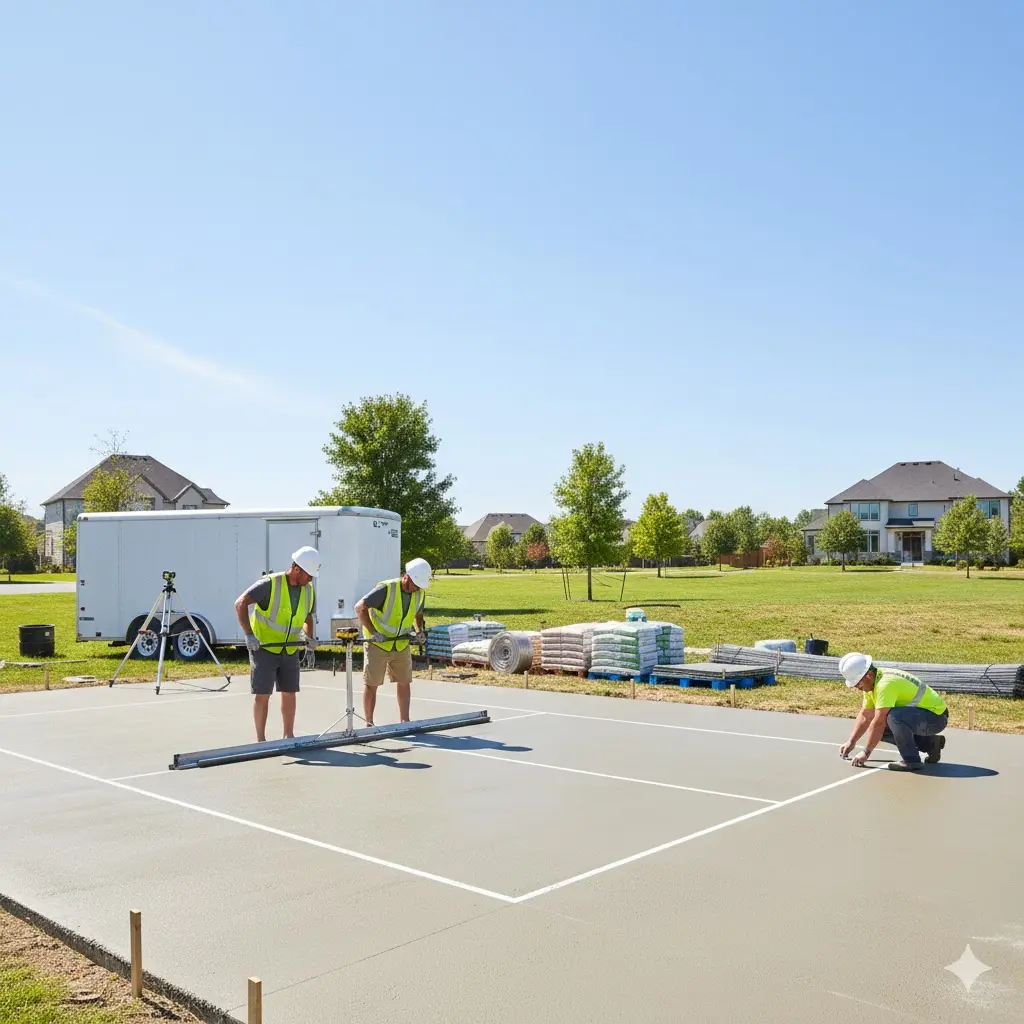
Post-tensioned concrete is the gold standard for durability. Steel cables embedded in the slab are tensioned after curing, placing the concrete under constant compression. This dramatically reduces cracking caused by soil movement and temperature changes.
While the initial investment is higher, the lifespan often exceeds 25 years with minimal structural maintenance. For facilities prioritizing longevity, this option delivers unmatched value.
Trusted builders like Ace Coatings Utah guide clients through this decision using climate data, soil conditions, and usage expectations—not sales pressure.
Long-Term Cost Planning
The real cost of a court is not the install—it’s the lifecycle. Professional contractors help clients weigh upfront cost against long-term maintenance, resurfacing cycles, and repair risk. This advisory role is a key EEAT indicator of experience and trustworthiness.
How to Vet the Right Builder
A driveway contractor with a line-painting machine is not a court builder. Pickleball courts are precision athletic surfaces governed by strict construction tolerances and performance standards recognized by organizations like USA Pickleball.
Professional Credentials
Look for builders aligned with industry standards and continuing education. Memberships, certifications, and a documented portfolio of completed courts are essential credibility signals.
Companies such as Ace Coatings Utah differentiate themselves by focusing exclusively on sports surfacing and pickleball court construction, rather than treating courts as side projects.
Essential Vetting Questions
Ask every contractor the following:
Can I visit recent local courts you’ve built?
How do you verify slope and drainage accuracy?
What is your sub-base thickness and compaction method?
Can you provide a current Certificate of Insurance?
Clear, confident answers demonstrate competence. Hesitation or vague explanations suggest risk.
Transparent Bidding
A professional proposal is itemized—breaking down site prep, sub-base depth, slab thickness, surfacing system, fencing, and optional upgrades. Lump-sum bids hide shortcuts and invite future disputes.
Experienced firms like Ace Coatings Utah provide detailed proposals because transparency protects both the client and the builder.
Final Considerations: Features, Upgrades, and Total Budget Clarity
Beyond the court slab, fencing, lighting, and cushioned surfacing significantly impact usability and cost. Cushioned acrylic systems, while more expensive, reduce joint impact and extend player longevity—an increasingly popular upgrade.
A reputable contractor will discuss these options openly, explain pros and cons, and incorporate them clearly into the quote—never as surprise add-ons.
Your Next Step Toward a Court Built Right
Choosing among pickleball court construction companies is not about finding the lowest bid—it’s about securing the best long-term value. The right partner brings engineering knowledge, proven experience, and transparent communication.
If you’re planning a new court or upgrading an existing one, Ace Coatings Utah offers the expertise, craftsmanship, and professionalism required to build courts that last.
Contact us at Ace Coatings Utah today to discuss your project, request a consultation, and take the first confident step toward a court built for years of enjoyment.