



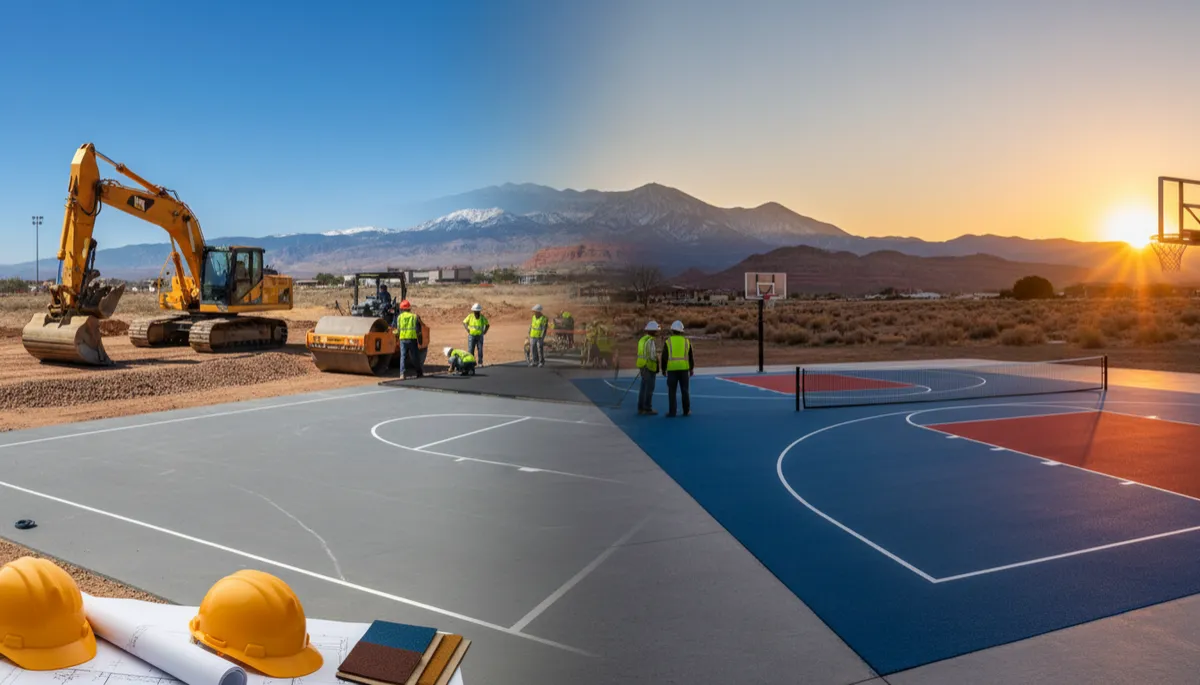
Full Court Construction Guide for Utah Homeowners
Home Improvement, Sports Court Construction, Utah
Full Court Construction in Utah: Start-to-Finish Guide for Homeowners
If you are a Utah homeowner looking for full court construction start to finish in Utah, you probably want clear steps, realistic timelines, and a trusted local expert. In simple terms, full court construction start to finish in Utah means evaluating your yard, designing the right-size court for your space, preparing the base, installing a durable surface, adding lines and equipment, and finishing with protective coatings that stand up to Utah’s hot summers and snowy winters. That’s exactly what Ace Coatings Utah helps homeowners achieve every season.
Why Utah Is Unique for Full Court Construction
Building a court in Utah is different from building one almost anywhere else. Our state’s climate swings from blazing summer heat to freezing winter temperatures, with snow, ice, and intense UV exposure. That combination can crack concrete, fade lines, and wear down coatings if the court is not properly designed and finished from the beginning.
Elevation also plays a role. Higher-altitude areas along the Wasatch Front and in mountain communities experience more freeze–thaw cycles, which can damage poorly prepared bases. A thoughtful, Utah-specific approach ensures your investment lasts, drains well, and looks great year after year, whether your court is in Salt Lake City, Provo, Ogden, St. George, or a rural property in between.
Step 1: Site Evaluation and Planning
Every successful court project starts with an honest look at your property. During site evaluation, you or your contractor will walk the area, note slopes, measure available space, and consider sun exposure and wind. In Utah, orienting your court to minimize glare from the sun—especially in the early morning and late afternoon—can make a big difference in how often you actually enjoy playing on it.
Space and layout: Decide whether you want a full basketball court, a multi-sport surface, or a dedicated pickleball or tennis court. Many Utah homeowners opt for multi-use layouts to maximize their backyard investment.
Access and equipment: Consider how trucks, concrete deliveries, and installation crews will reach the site. Good access can reduce both time and cost.
Permits and HOA rules: Some Utah cities and homeowners’ associations require approvals for large concrete pads, fencing, or lighting. Clarifying these early prevents costly changes later.
💡 Pro Tip: Take photos of your yard throughout the day to see where shadows fall. This helps with court orientation and future lighting placement.
Step 2: Designing Your Ideal Court
Once the site is chosen, design brings your vision into focus. This is where you decide on size, markings, colors, and how the court will blend with your home’s architecture and landscaping. A professional, neutral color palette—such as grays, deep greens, and soft earth tones—often complements Utah homes and keeps glare low under strong sunlight.
Sport selection: Basketball, pickleball, tennis, volleyball, and multi-sport courts each have specific dimensions and marking requirements. Resources from organizations like USA Pickleball can guide layout standards for pickleball courts.
Color and lines: Thoughtful color choices enhance visibility and aesthetics. High-contrast lines help players track boundaries while still fitting your home’s style.
Accessories: Plan for hoops, nets, fencing, ball containment systems, and lighting. It’s easier and more cost-effective to plan for these from the start than to retrofit later.
Step 3: Groundwork and Base Preparation
A beautiful court is only as strong as the ground beneath it. In Utah, where soils can range from dense clay to sandy loam, proper base preparation is critical. This step typically includes excavation, grading, compaction, and installing a gravel base to promote drainage and stability.
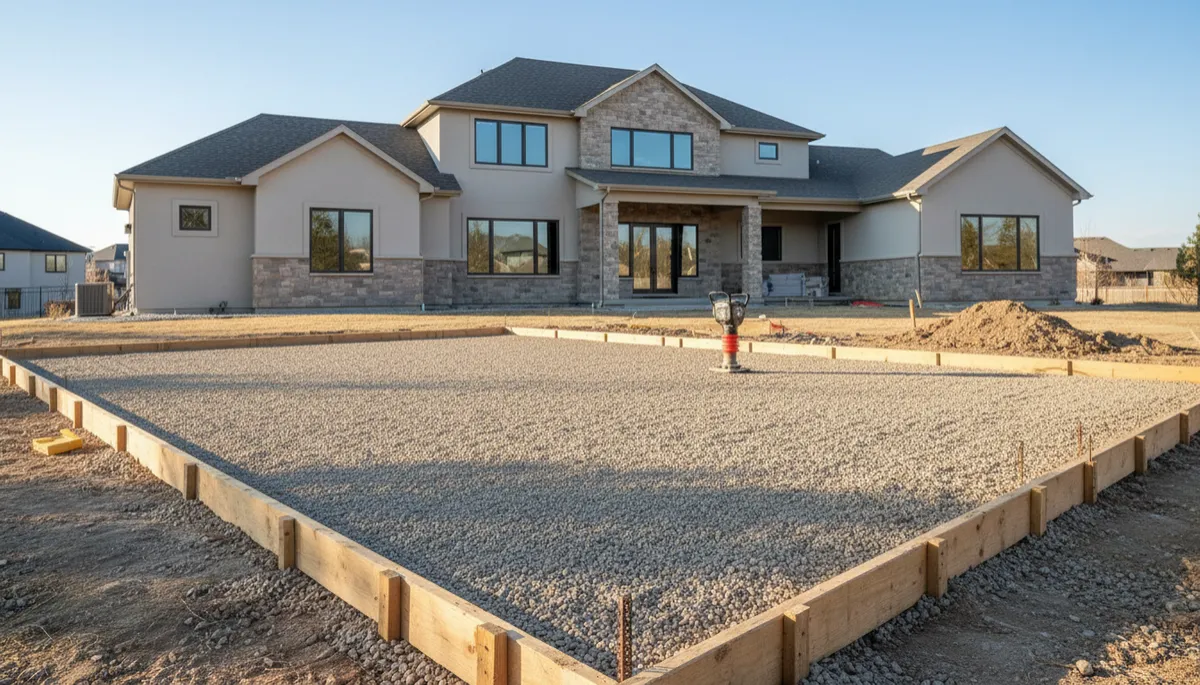
A well-compacted, well-drained base protects your court from cracking and pooling water.
Proper slope is essential. Courts are usually built with a very slight pitch to shed water, often about one percent. That’s enough to prevent puddles without affecting play. In regions along the Wasatch Front that receive heavy snow, good drainage keeps meltwater from refreezing and damaging the surface.
Step 4: Pouring and Curing the Concrete Slab
For most residential courts in Utah, a reinforced concrete slab is the foundation of choice. It provides a stable, long-lasting platform that pairs well with professional coatings and surfacing systems. The concrete is poured within the prepared forms, reinforced as needed, and finished to a smooth, consistent texture suitable for sports play.
Curing is just as important as pouring. In Utah’s dry climate, proper curing practices help prevent surface cracking and dusting. Depending on conditions, your slab may need several days to a few weeks before it is ready for coatings or modular surfacing. Rushing this step can shorten the life of the entire court, so patience pays off.
📌 Key Takeaway: A high-quality concrete slab, allowed to cure fully, is the backbone of a long-lasting Utah court.
Step 5: Professional Court Coatings and Surface Systems
Once the slab is ready, the real transformation begins. This is where specialized coatings and surfacing systems turn plain concrete into a high-performance sports court. Quality coatings are designed to bond to concrete, resist UV rays, handle the freeze–thaw cycles common across Utah, and provide the right balance of traction and smoothness underfoot.
Working with a team that understands both coatings and local conditions is crucial. Ace Coatings Utah focuses on surfaces that not only look sharp in neutral, modern color schemes but also perform well through Utah’s harsh seasons. The right coating system can reduce surface glare, improve ball bounce consistency, and make your court more comfortable to play on during hot summer days.
Step 6: Lines, Nets, Hoops, and Final Details
With the surface in place, it’s time to add game lines and equipment. Precision matters here. Lines must be straight, clean, and measured to official or agreed dimensions. Whether you are lining for basketball, pickleball, tennis, or a combination, accurate markings ensure fair play and a professional look.
Game lines: Applied with durable paints compatible with your coating system, typically in contrasting colors for visibility.
Hoops and nets: Installed securely with proper anchoring. Adjustable basketball hoops and removable pickleball or tennis nets are popular for multi-use backyards.
Lighting and fencing: Optional, but valuable if you want to extend play into the evening or keep balls contained on sloped Utah properties.
Step 7: Maintenance, Resurfacing, and Long-Term Care
A professionally built court is a long-term asset, but like any outdoor surface in Utah, it needs care. Regular sweeping or blowing keeps sand, leaves, and debris from grinding into the surface. Promptly rinsing off dirt and de-icing chemicals helps coatings last longer and maintain their color and grip.
Over time, you may notice normal wear in high-traffic areas, especially around basketball key lines or pickleball serving zones. Periodic touch-ups, re-striping, or resurfacing can refresh the court without starting over. Having your original installer document the products and colors used makes future maintenance smoother and more consistent.
💡 Pro Tip: Schedule a quick annual inspection each spring to check for cracks, drainage issues, or coating wear after winter.
Timelines and Budget: What Utah Homeowners Can Expect
Every project is unique, but most residential full-court builds in Utah follow a similar timeline. Site evaluation and design may take a week or two, especially if HOA approvals are needed. Base preparation and concrete work usually span several days, followed by curing time. Coatings, lines, and final details can often be completed in another few days of suitable weather. Overall, many homeowners see their courts go from concept to playable in a few weeks, depending on schedule and season.
Budget ranges depend on court size, accessories, and site conditions. Sloped yards, access challenges, or extensive drainage work can increase costs, while straightforward, level sites are more economical. A transparent conversation with your contractor about priorities—such as lighting, fencing, or multi-sport markings—helps build a plan that fits both your goals and your budget.
Choosing the Right Utah Partner for Your Court
Because full court construction involves concrete, coatings, and precise finishing, it pays to work with a Utah-based team that understands our climate and soil conditions. Experience with sports coatings and outdoor surfaces is especially important. You want a partner who can walk you through design options, explain the pros and cons of different surface systems, and stand behind their work over time.
Ace Coatings Utah specializes in durable, attractive coatings tailored to Utah conditions, helping homeowners create courts that look professional and play great. From the first site visit through final line striping, having a knowledgeable guide simplifies decisions and keeps the project on track.
Bringing Your Utah Home Court Vision to Life
A well-planned sports court can become the heart of your Utah property—a place where kids practice, friends gather, and families stay active without leaving home. By understanding each stage of the process, from site evaluation and design to coatings and long-term care, you can move forward with confidence and clear expectations.
If you are ready to explore a new backyard court, upgrade an existing slab, or add professional coatings to a current surface, the next step is a conversation with a local expert. Reach out to discuss your space, your goals, and your timeline so you can start planning a court that fits your home and lifestyle for years to come.