


Best Pickleball Court Surface Coating in Utah: What Property Owners Should Know
Pickleball’s growth across Utah has created strong demand for courts that are safe, attractive, and built to last. Choosing the best pickleball court surface coating in Utah is not just about color or appearance—it is about protecting the court from intense UV exposure, freeze-thaw movement, dry heat, snow, and constant player traffic while maintaining consistent ball response and reliable traction.
From neighborhood parks and HOA amenities to private backyard courts and school facilities, Utah courts face conditions that can wear down standard coatings quickly. A professionally selected and properly installed surface system helps reduce cracking, fading, slick spots, drainage issues, and premature resurfacing.
For property owners, the goal is simple: create a court that plays well, looks sharp, and holds up through real Utah weather.
Why the Best Pickleball Court Surface Coating in Utah Must Handle Local Climate
Utah is a demanding environment for outdoor sport surfaces. Courts may experience scorching summer afternoons, freezing winter nights, snow accumulation, rapid temperature swings, and high-altitude sunlight. These conditions place stress on both the pavement base and the coating system above it.
A basic paint product is not enough. Pickleball courts need a sport-specific coating designed for outdoor play, surface movement, UV exposure, and player safety. The right system should bond well, resist fading, provide controlled texture, and allow the court base to expand and contract without premature failure.
Ace Coatings Utah often evaluates courts with these local conditions in mind because the surface must perform across multiple seasons, not just look good immediately after installation.
How the Best Pickleball Court Surface Coating in Utah Resists UV, Heat, and Freeze-Thaw Cycles
Utah’s sun can be especially harsh at higher elevations. UV exposure can cause low-quality coatings to fade, chalk, become brittle, or lose their clean visual finish. For that reason, premium acrylic coatings typically use durable pigments and binders that help preserve color and resist breakdown.
Freeze-thaw movement is another major concern. When moisture enters cracks or weak areas, winter temperatures can expand that water and worsen the damage. Over time, this can create surface separation, uneven play areas, and visible cracking.
A high-quality outdoor pickleball coating should offer:
UV resistance to help reduce fading and surface chalking
Flexible acrylic performance to handle normal pavement movement
Breathability to reduce trapped moisture problems
Texture control for safer footwork and predictable ball bounce
Color stability for a cleaner, more professional appearance
In most outdoor settings, 100% acrylic sport surfacing is the preferred option because it balances durability, playability, and weather resistance. Polyurethane systems can be useful in some indoor or specialized applications, but acrylic remains a strong standard for outdoor courts exposed to Utah’s climate.
Selecting the Best Pickleball Court Surface Coating in Utah for Performance and Safety
A good court surface does more than survive the weather. It directly affects how players move, how the ball bounces, how hot the court feels, and how safe the surface remains during fast lateral play.
Pickleball involves short bursts, quick pivots, sudden stops, and frequent directional changes. A slick or uneven surface can increase the risk of slipping, while an overly rough surface can feel abrasive and uncomfortable. The best systems strike a balance between grip and glide.
Player Comfort Features in the Best Pickleball Court Surface Coating in Utah
Modern sport coatings can be tailored to the way the court will be used. A private residential court may prioritize comfort and aesthetics, while a public facility may focus more heavily on durability and consistent wear.
Important performance features include:
Slip-resistant texture: Rounded silica sand is often blended into acrylic coatings to create controlled traction. This helps players move confidently without making the surface overly abrasive.
Consistent ball bounce: Proper coating thickness and uniform application help the ball respond predictably across the court.
Heat management: Lighter colors and heat-reflective coating technology can help reduce surface temperature, especially in exposed desert or southern Utah locations.
Cushioned systems: Multi-layer cushioned acrylic systems add rubberized layers beneath the color coats. These can reduce impact on knees, hips, and backs, which is especially valuable for frequent players.
Clean line visibility: Accurate striping helps the court meet player expectations and supports organized recreational or competitive play.
Court dimensions and line markings should also be planned carefully. Many owners reference guidance from USA Pickleball when laying out courts or confirming standard play requirements.
Ace Coatings Utah may recommend different coating systems depending on the court’s base condition, use level, sun exposure, drainage, and whether the space is for casual play, lessons, community programming, or higher-volume recreation.
Installing and Maintaining the Best Pickleball Court Surface Coating in Utah
Even the best coating will underperform if the court is not prepared correctly. Surface preparation is often the difference between a court that looks good for one season and one that performs well for years.
Before coating begins, the existing concrete or asphalt should be inspected for cracking, low spots, moisture issues, contamination, and drainage problems. Dirt, oils, loose coatings, and debris can interfere with bonding. Cracks that are ignored will often reappear through the new surface, especially after winter weather.
Maintenance Tips for the Best Pickleball Court Surface Coating in Utah
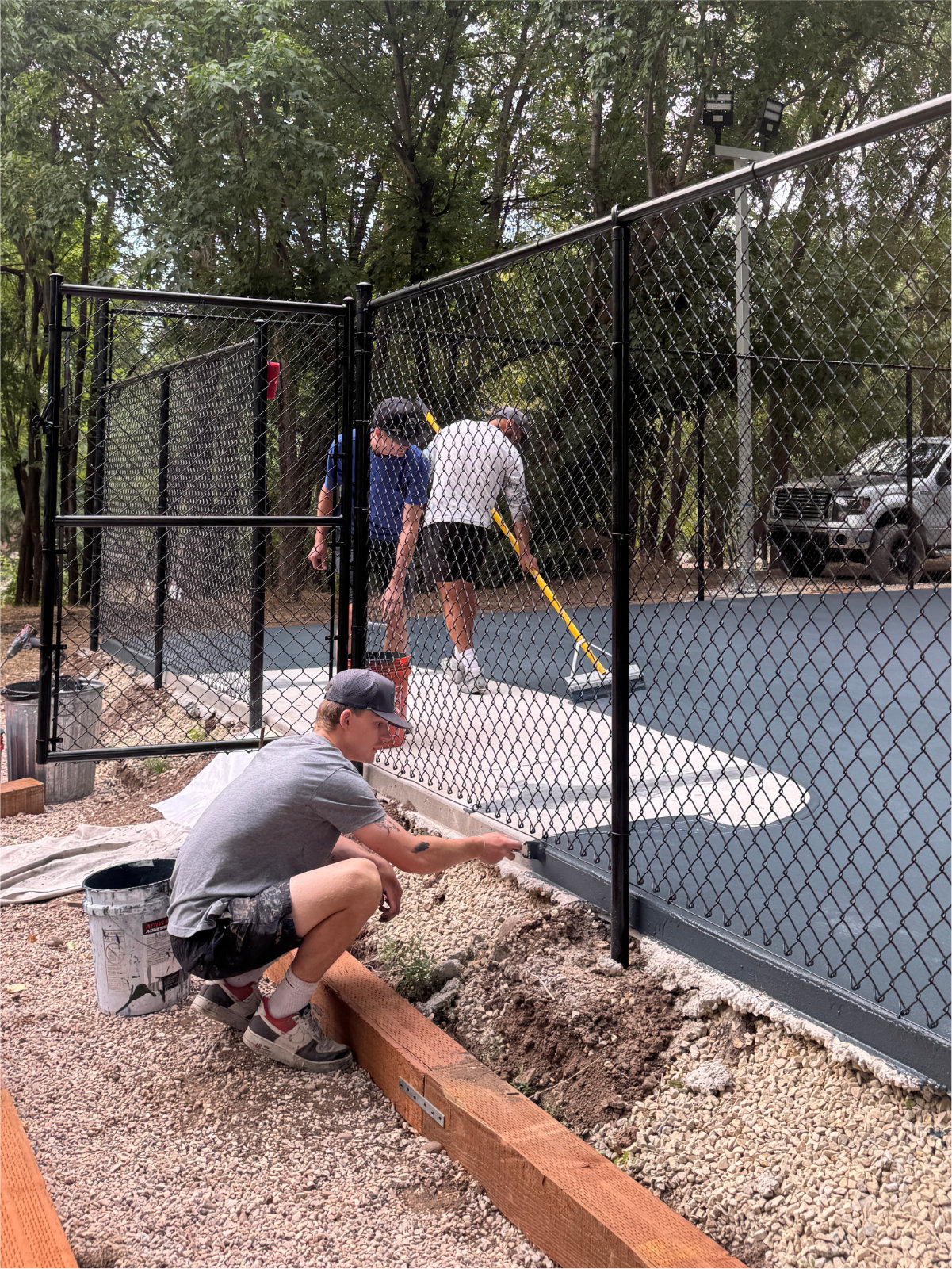
A proper installation process usually includes cleaning, repair, leveling where needed, primer or resurfacer application, color coating, texture control, and final striping. Each step matters.
Key installation considerations include:
Crack repair: Structural and surface cracks should be cleaned and filled with suitable sport-surface materials before coating.
Low spot correction: Birdbaths or puddling areas can shorten coating life and create unsafe play conditions.
Moisture control: Trapped moisture can cause bubbling, blistering, or peeling when temperatures rise.
Correct weather timing: Acrylic coatings typically need moderate temperatures, dry conditions, and adequate curing time.
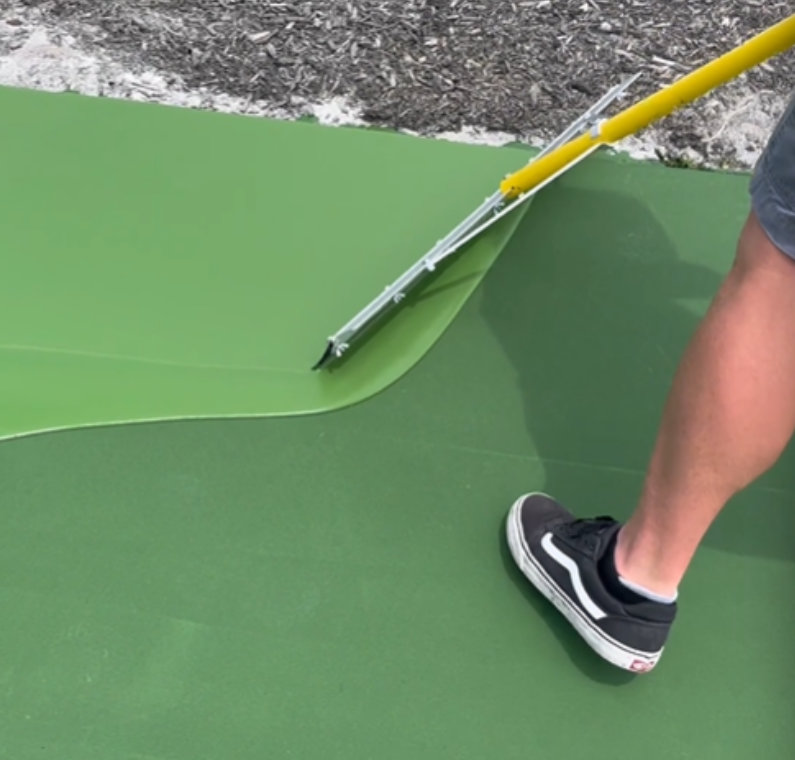
Professional application: Consistent squeegee technique, proper sand mix, and even coverage help prevent streaking, lap marks, and inconsistent texture.
DIY resurfacing kits can be appealing for budget-conscious owners, but they are not always simple. Sport coatings are heavy, time-sensitive, and technique-dependent. Uneven sand distribution, poor crack repair, incorrect dilution, or rushed curing can lead to visible defects and early wear.
Professional resurfacing usually costs more upfront, but it can reduce the chance of mistakes that require expensive correction later. For many homeowners, schools, parks, and HOAs, that added reliability is worth considering.
Once the court is finished, maintenance should be simple but consistent. Keep the surface free of leaves, mud, pine needles, standing water, and abrasive debris. Use soft-bristle brooms, leaf blowers, or gentle rinsing rather than harsh tools.
During winter, avoid metal shovels, metal snowblower blades, and aggressive ice-melt chemicals. These can scrape, stain, or damage the acrylic finish. A soft broom or plastic shovel used carefully is usually safer. When possible, allow sunlight to melt light snow and ice naturally.
With good care, many outdoor acrylic pickleball surfaces can last several years before requiring resurfacing, though lifespan depends on traffic, drainage, weather exposure, base condition, and maintenance habits.
Conclusion
A long-lasting pickleball court starts with the right surface system and careful installation. In Utah, that means choosing a coating that can handle UV exposure, heat, snow, freeze-thaw movement, and active play without sacrificing traction or ball response.
The smartest approach is to evaluate the court as a complete system: pavement condition, drainage, crack repair, coating type, color selection, texture, striping, and maintenance plan. When each part is handled correctly, the result is a court that looks professional, plays consistently, and protects your investment season after season.
Ace Coatings Utah brings this kind of practical, surface-specific perspective to court coating decisions, helping property owners think beyond a quick repaint and focus on long-term performance.