 ACE COATINGSUTAH
Can You Play Pickleball on Concrete?
Pickleball, a dynamic sport that merges the best aspects of tennis, badminton, and ping-pong, has been sweeping across the globe with its infectious appeal. Its straightforward rules and exciting pace make it accessible to players of all ages and skill levels. As the sport continues to captivate new audiences, many people find themselves eager to join in the fun and set up their own courts. One of the most common queries that arise during this process is: Can you play pickleball on concrete? To answer this, let's dive into the various surfaces suitable for pickleball and evaluate how concrete measures up against them.
The choice of surface for your pickleball court can have a profound impact on the overall gameplay experience, influencing factors like ball bounce, player movement, and even the longevity of your equipment. While there are numerous surfaces available, each comes with its own set of characteristics and challenges. Understanding these differences is essential for making an informed decision that aligns with your gameplay preferences and maintenance capabilities.
Asphalt vs. Concrete: Which is Better?
Asphalt and concrete are two of the most widely used materials for pickleball courts, each offering distinct advantages and disadvantages. Asphalt is favored for outdoor courts due to its flexibility and slightly softer composition, which can be gentler on players' joints and muscles. This surface tends to absorb some of the shock from repetitive movements, making it a popular choice for those concerned with long-term joint health. However, asphalt is not without its drawbacks; it can degrade over time, developing cracks that necessitate regular maintenance.
Concrete, conversely, is known for its durability and low maintenance requirements, making it a staple in urban environments where space and upkeep resources might be limited. Its hard, unyielding nature provides a consistent playing surface, which many players appreciate for the predictable ball bounce it offers. Yet, this same hardness can be harsh on the body, particularly during extended play sessions. It's important to consider additional measures such as cushioning or specialized court coatings to enhance player comfort and safety on concrete surfaces.
Have You Tried to Play Pickleball on Concrete?
Playing pickleball on concrete is not only feasible but also quite prevalent, especially in regions lacking indoor courts or specialized pickleball facilities. Concrete courts provide a stable, uniform surface that can enhance the precision and predictability of gameplay. However, to ensure an enjoyable and safe experience, there are several key considerations to keep in mind when opting for a concrete surface.
Considerations for Concrete Courts
- Surface Texture and Coating: The natural texture of concrete can become slippery when wet, posing a risk for falls and injuries. To mitigate this, applying a specialized court coating is highly advisable. These coatings improve traction, reduce glare from the sun, and add a degree of cushioning, making play more comfortable and safe. Additionally, they help in extending the lifespan of the court by protecting it from the elements.
- Cushioning and Comfort: The unforgiving nature of concrete means it can cause wear and tear on players' bodies over time. To alleviate this, consider installing a cushioned underlayment or utilizing modular court tiles designed for shock absorption. These enhancements can significantly reduce the impact on joints and improve overall player comfort, allowing for longer and more enjoyable play sessions.
- Court Maintenance: Although concrete is relatively low-maintenance, it does require some care to maintain its optimal playing condition. Regular cleaning to remove debris and occasional resealing can prevent surface deterioration. Promptly addressing any water accumulation is crucial to prevent slipping hazards and maintain player safety.
Best Surface for Pickleball Court
While concrete is a practical option for many, there are other surfaces that might enhance the pickleball experience even further. Let's delve into some of the best surfaces available for pickleball courts and their unique benefits.
1. Acrylic Surface
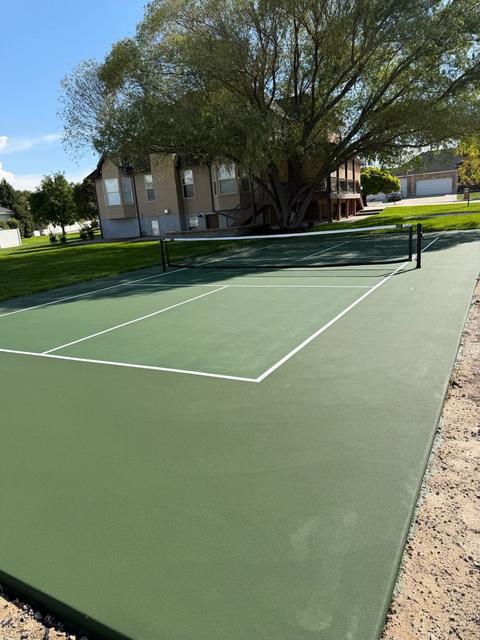
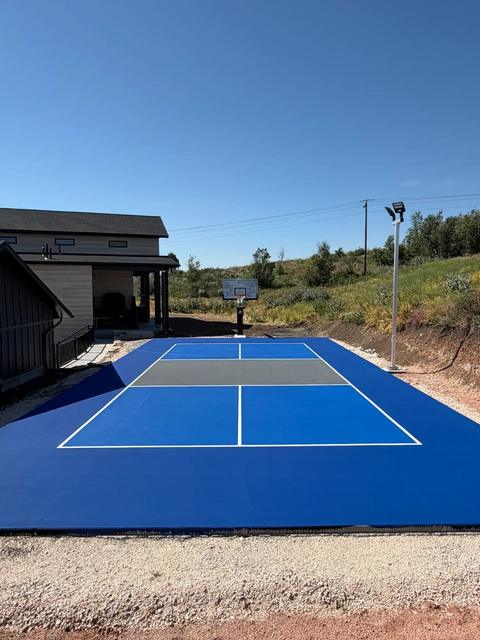
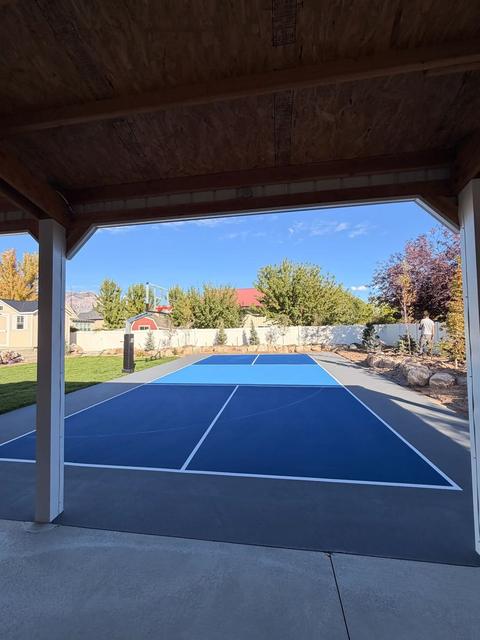
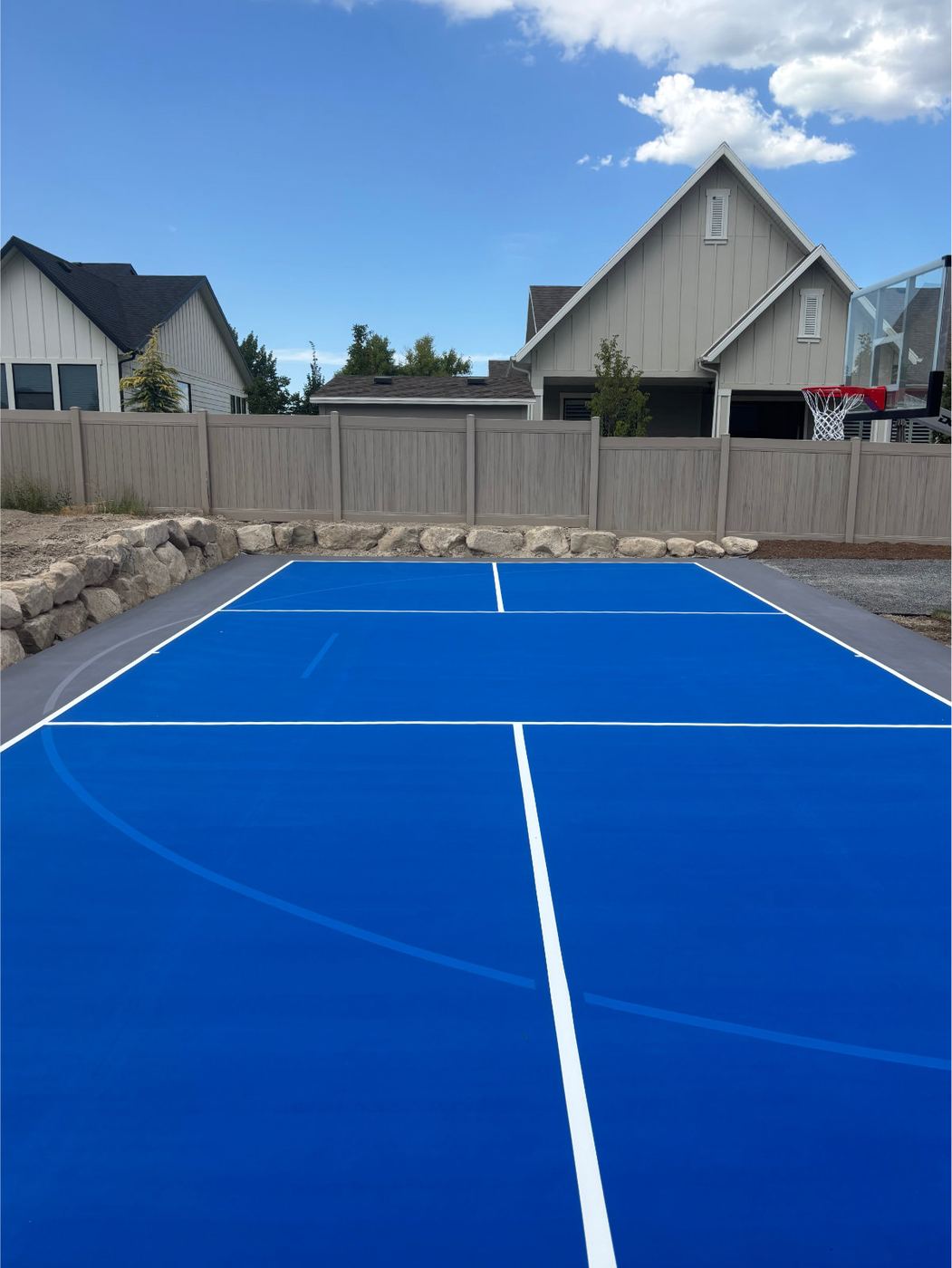
Acrylic surfaces are renowned for their exceptional playability, providing a smooth, consistent experience that enhances both traction and ball bounce. These surfaces can be applied over both asphalt and concrete, offering versatility in court construction. The smooth finish not only improves gameplay but also contributes to a longer-lasting court by protecting the underlying material from the elements.
2. Modular Court Tiles
Modular court tiles are an innovative solution for both temporary and permanent pickleball courts. These interlocking tiles are easy to install and offer excellent shock absorption, which can be particularly beneficial for minimizing joint strain. Available in a variety of colors and designs, they can be laid over any flat surface, including concrete, to improve both the aesthetics and functionality of the court.
3. Asphalt
Asphalt courts are a staple in outdoor settings, offering a slightly softer and more forgiving playing surface than concrete. They provide good traction and are generally more cost-effective to install. However, the need for regular maintenance to address issues such as cracking and wear should be factored into your decision-making process.
Tips for Playing Pickleball on Concrete
If you decide to embrace the concrete court for your pickleball games, here are some practical tips to enhance your playing experience:
- Wear Proper Footwear: Invest in shoes that offer excellent grip and ample cushioning to protect against the hard surface. Proper footwear can significantly reduce the risk of injury and improve overall comfort during play.
- Hydrate and Rest: Concrete surfaces can be physically demanding, especially during prolonged play. Staying well-hydrated and taking regular breaks are essential to prevent fatigue and maintain peak performance throughout your games.
- Use a Quality Ball: For optimal performance on concrete surfaces, select a ball specifically designed for outdoor play. These balls are typically more durable and can withstand the rigors of concrete play better than indoor balls.
- Consider Portable Nets: In the absence of a permanent net on your concrete court, a portable net system can be a valuable investment. These nets are easy to set up and dismantle, providing flexibility and convenience for your pickleball sessions.
Conclusion
Playing pickleball on concrete is not only possible but also widely practiced. While concrete may not offer the softest or most forgiving surface, with the right precautions and enhancements, it can still provide a highly enjoyable playing experience. Whether you opt for concrete, asphalt, or another surface, the key lies in ensuring safety, comfort, and enjoyment in every game. If you’re considering building or upgrading your own court, feel free to contact us to explore the best options for your space. So grab your paddle, find a court that suits your needs, and immerse yourself in the exciting world of pickleball!